Glamping looks simple until you start pricing it out. One search turns up a canvas tent in the desert for $90 a night and a geodesic dome in the mountains for $600, and neither listing explains why. The truth is that the glamping cost of the exact same stay type can swing dramatically depending on the season, the region and how much novelty you are paying for, which makes budgeting genuinely tricky without a framework.
This guide breaks it all down. We start with average price bands so you know what a fair rate looks like, then show how peak and shoulder seasons move those numbers, and how regions from coastal California to the US Southwest compare. We also cover how stay type affects the price, the hidden fees that quietly inflate your booking total, and practical ways to pay less without settling for a worse experience. By the end, you will be able to read any glamping listing and know instantly whether it is a deal or a markup.
What Does Glamping Cost on Average?
Most glamping rates fall into three clear bands. Basic tent sites, where you get an upgraded canvas tent on a prepared platform, typically run $75–$150 per night. The mid tier covers safari tents, yurts and small cabins, usually priced between $150 and $300 per night. At the top end, luxury domes and treehouses start around $300 and can easily exceed $800 per night at high-demand properties.
What your nightly rate usually includes
Unlike a campground pitch, a glamping rate is closer to a hotel room. Expect real beds with linens provided, some form of heating or cooling, and either a private bathroom or access to a well-maintained shared bathhouse. Many mid-range and premium sites add extras like a private deck, a fire pit and basic kitchen equipment, so check the listing carefully before comparing prices between properties.
Why it costs more than a $30 campground pitch
The gap comes down to what the operator has built and maintains. A glamping site needs substantial infrastructure: platforms, plumbing, electricity, septic systems and weatherproof structures that have to be replaced every few years. Add housekeeping, on-site staff and quality furnishings, and the operating costs look far more like a boutique hotel than a campground. You are paying for someone else to own the tent, make the bed and keep the hot showers running.
How Season Changes Glamping Prices
Season is the single biggest lever on glamping prices after stay type. During peak season, which runs June through August, most properties charge 30–50% more than their baseline rates. Weekend nights are the worst offenders, since operators know that city dwellers with only two free days will pay almost anything for a good site close to home.
The shoulder season advantage
May and September through October are where savvy glampers win. In most temperate regions, the weather is still pleasant, foliage is often at its best, and rates drop noticeably below peak pricing. You get the same tent, the same stove and the same starry sky for meaningfully less money, plus quieter grounds and easier booking.
What happens to prices in winter
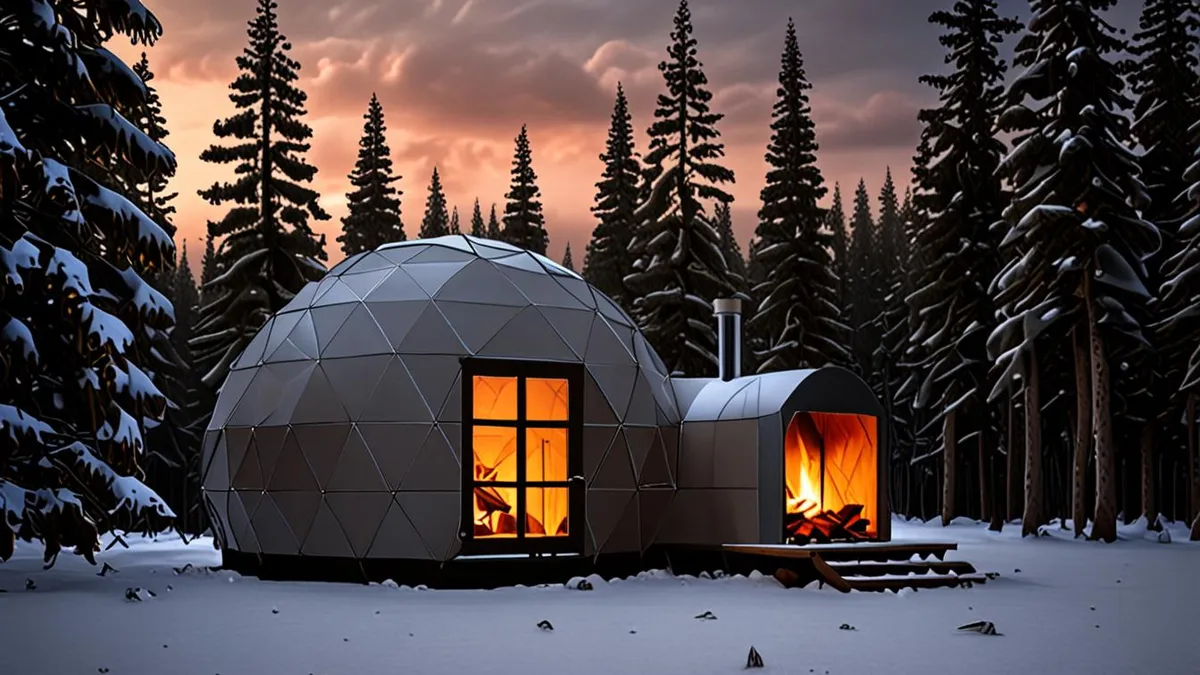
Winter splits the market in two. Cold-climate properties that have invested in wood stoves, insulated domes and snow-ready access tend to hold their prices, because winter glamping has become its own niche with limited supply. Meanwhile, mild-winter regions like the US Southwest become the value play: operators there see their slow season coincide with genuinely comfortable daytime temperatures, so deals are common. If your dates are flexible, a January dome in Arizona or southern Utah often costs a fraction of what the same unit fetches in July.
Glamping Cost by Region
Where you book matters almost as much as when. The same safari tent can vary widely in price between states, and the pattern is consistent: destinations with high land costs, heavy tourist demand and short peak seasons sit at the top of the range. Coastal California, the Northeast and gateways to major national parks all command premium rates, often pushing even mid-tier units toward the upper end of their band.
By contrast, the US Southwest and Southeast average 10–20% less for comparable units. A yurt in Georgia or a canvas tent in New Mexico will usually undercut its lookalike in Vermont or Big Sur, often with more space per site since land is cheaper and more plentiful.
Europe follows a similar logic, and it is worth knowing the rough pattern before you book a trip abroad:
- UK sites and Alpine destinations in Austria and Switzerland run noticeably higher per night, driven by strong domestic demand and high operating costs in mountain regions.
- Southern European sites in Portugal, Spain, Italy and Greece offer better value per night, often with longer usable seasons thanks to mild weather well into autumn.
- Eastern European glamping is frequently the cheapest option on the continent, and many newer properties there are less than a decade old, so the tents and facilities are in excellent condition.
- Booking a European site in local currency can matter, since some platforms add conversion fees on top of the listed rate.
As always, compare a few properties in your target region before committing, because individual operators vary more than the regional averages suggest.
How Stay Type Affects the Price
What You’re Paying for at Each Glamping Tier
Not all glamping is created equal, and the single biggest factor in your nightly rate is what you’re sleeping in. The industry basically splits into three tiers, and knowing where a listing falls helps you judge whether the price is fair before you book. The bands themselves are covered in the cost overview, so here we’ll focus on what each tier actually delivers on the ground.
The entry tier is classic canvas: bell tents, wall tents and simple yurts. These units give you a real bed and a roof that isn’t nylon, but you’ll typically walk to a shared bathhouse. It’s the closest glamping gets to campground pricing while still feeling like a step up, and for many first-timers it’s the smartest way to test whether glamping suits you at all.
The mid tier is where safari tents and cabins with private bathrooms live. That en-suite bathroom is the main thing you’re paying for, along with better furnishings, a proper kitchenette or deck, and more insulation from weather and noise. If you’re traveling with kids or booking in a rainy stretch, the jump in comfort is usually worth it.
At the top, domes, treehouses and renovated Airstreams command the highest rates. A large part of that premium is pure novelty and photo appeal: operators know a geodesic dome under string lights books itself on social media, and they price accordingly. You’re also paying for scarcity, since most sites only have one or two of these showpiece units.
- Canvas tents and yurts: often pitched on wooden platforms, and many close or winterize during the coldest months, so availability shifts with the season.
- Cabins and safari tents with private bathrooms: usually include extras like a private fire pit, deck furniture and climate control, which is why they dominate family bookings.
- Domes, treehouses and Airstreams: tend to have the strictest cancellation policies and minimum-stay rules, since a single premium unit represents the owner’s whole weekend revenue.
Hidden Costs That Change Your Glamping Budget
The nightly rate is only the starting point of your glamping budget. Like vacation rentals, many glamping sites tack on fees that can meaningfully change what you actually pay, especially on short trips.
The most common surprise is the cleaning fee, often paired with a booking or service fee charged by the platform. These are flat charges per stay, so they hit hardest on one-night getaways, where they can add a noticeable percentage to your total. Always expand the fee breakdown and look at the final price before comparing listings side by side.
Minimum stays and quick trips
Two-night minimums are common on weekends, particularly for premium units where the site only has one or two accommodations in total. If you were hoping for a quick Saturday escape, that rule effectively doubles the cost of your trip. Some operators relax minimums to fill last-minute gaps in their calendar, so it never hurts to ask directly.
Add-ons that add up
Once you’re on site, the extras start tempting you. Firewood bundles, breakfast baskets, private hot tub sessions and guided activities like kayaking or stargazing are usually priced individually, and a few of them over a weekend can quietly rival another night’s rate.
The fix is simple: before booking, read the fee breakdown, calculate the true total for your dates, and decide in advance which add-ons are worth it. A little arithmetic up front keeps the trip feeling like a splurge rather than a rip-off.
How to Lower Your Glamping Cost
Glamping prices are high, but they’re also negotiable in a way hotel rates often aren’t. Unlike big hotel chains with dynamic pricing algorithms, most glamping sites are small operations run by owners who set their own rates. They have fixed costs and a limited number of units, so empty nights hurt them as much as full weekends help. That means they reward guests who book smart, and a few simple habits make most of the difference.
- Book peak-season weekends 3–6 months ahead. June through August is when everyone wants the same handful of units, and the best ones sell out first. Booking early locks in the standard rate; waiting until a few weeks out usually means paying the premium or settling for whatever’s left.
- Shift to weekday nights. The same dome that’s packed on Friday and Saturday often sits empty Monday through Thursday, and those nights typically cost 15–25% less. If your schedule allows even one weeknight, you’ll cut the bill and share the site with fewer people.
- Target shoulder-season dates and value regions. May and September–October deliver much of the same weather at noticeably lower rates, and some regions consistently undercut the famous coastal hotspots for comparable units. Stack both and the savings compound.
Timing matters as much as tactics. If you know your travel dates well in advance, set a reminder and book the moment reservations open, since popular sites often release their summer calendar early in the year. If your plans are flexible, browse midweek availability first and build the trip around it rather than squeezing glamping into a fixed weekend itinerary.
None of these tactics requires sacrificing the experience you’re after. The same safari tent that costs a fortune on a July Saturday can be a genuine bargain on a Tuesday in late September, and honestly, the quieter campground is often the better memory anyway.
Glamping Cost at a Glance
So, what does glamping actually cost? The honest answer is that it depends on three things: the type of stay, the season and the region. Typical nightly rates run anywhere from $75 for a simple tent setup to $800 or more for a luxury dome or treehouse, which is why budgeting feels tricky until you know where your trip falls on that spectrum.
The good news is that the swings are predictable. Peak season in June through August pushes rates 30–50% higher, and coastal areas sit at the top of the range, while the Southwest and Southeast often come in 10–20% cheaper for comparable units. If you can travel in shoulder season, book weekdays and lock in your dates 3–6 months ahead, you’ll usually land the best value. Got a glamping trip planned or a price question? Leave a comment or share this article.