Torn between a traditional camping trip and a glamping stay but unsure how much they really differ in price, comfort and experience? You’re not alone. The glamping vs camping debate comes down to more than just a bed — it affects your budget, how much gear you haul, and how well you sleep when the weather turns.
In this guide, we break down the core differences between the two, compare real nightly costs (including the gear you’d need to buy for camping), look at comfort levels from beds to bathrooms, and cover setup time, packing lists and the best times to book. By the end, you’ll know exactly which option fits your trip, your budget and your tolerance for cold mornings.
Glamping vs Camping: The Core Differences at a Glance
At its heart, the difference is simple: camping means you bring everything yourself, while glamping means someone has already set it up for you. On a camping trip, you arrive with your own shelter, bedding and cooking gear, then build your temporary home from scratch. With glamping, you walk into a structure that’s ready the moment you arrive.
What glamping actually looks like
Glamping units come in more styles than most travelers expect. Safari tents, yurts, geodesic domes and small cabins are the most common, and most include real beds, lighting and often heating. Larger units like safari tents and yurts usually sleep 2–4 guests, which makes them a practical fit for couples or small families. Many sites add furniture, rugs and even small kitchens or decks.
Skill and gear requirements
Camping is gear- and skill-dependent. If your tent, stove or headlamp fails — or if you’ve never pitched a tent before — the experience can turn stressful quickly. Glamping removes that variable entirely: there’s no setup, no learning curve and no equipment list to check twice. You simply need clothing and food. That’s the trade in a nutshell — camping gives you independence and a lower nightly price, while glamping trades a higher rate for a structure, furniture and comfort that are waiting for you on arrival.
How Much Each Option Really Costs
Money is where the two options diverge most clearly. A basic campground pitch typically runs $15–$40 per night in Europe and North America, which is hard to beat on a per-night basis. But that figure assumes you already own your gear. If you don’t, a first-time camping kit — tent, sleeping bags, pads, stove, cooler and the smaller essentials — can cost $200–$500 before you’ve spent a single night outdoors. Glamping avoids that upfront investment entirely, since bedding and furniture are included in the rate. For a one-off weekend, that math often favors glamping; for campers who head out several times a year, buying gear once and reusing it quickly tips the balance back toward a tent.
Glamping stays typically range from $100–$400 per night depending on tent type and location. That sounds like a big premium, but it covers the bed, lighting, heating and often bathrooms, so there’s little else to budget for on site. Timing also matters: glamping prices peak in June–August, while campground rates rise less sharply in the same months. If your dates are flexible, shifting a glamping stay to the edges of the season can bring the nightly rate down without giving up much comfort.
- Tent type drives the price. A simple canvas tent on a farm sits at the lower end of the range, while a large geodesic dome or a cabin with a private bathroom commands the top rates.
- Location multiplies costs. Glamping near national parks, coastlines or popular lakes costs noticeably more than the same style of unit in rural farmland an hour away.
- Group size changes the math. A unit sleeping 2–4 guests can make glamping competitive with two or three campground pitches once you divide the rate per person.
- Watch for add-ons. Some glamping sites charge separately for firewood, extra guests or activities, so read what the nightly rate actually includes before booking.
Comfort: Beds, Bathrooms and Weather Protection
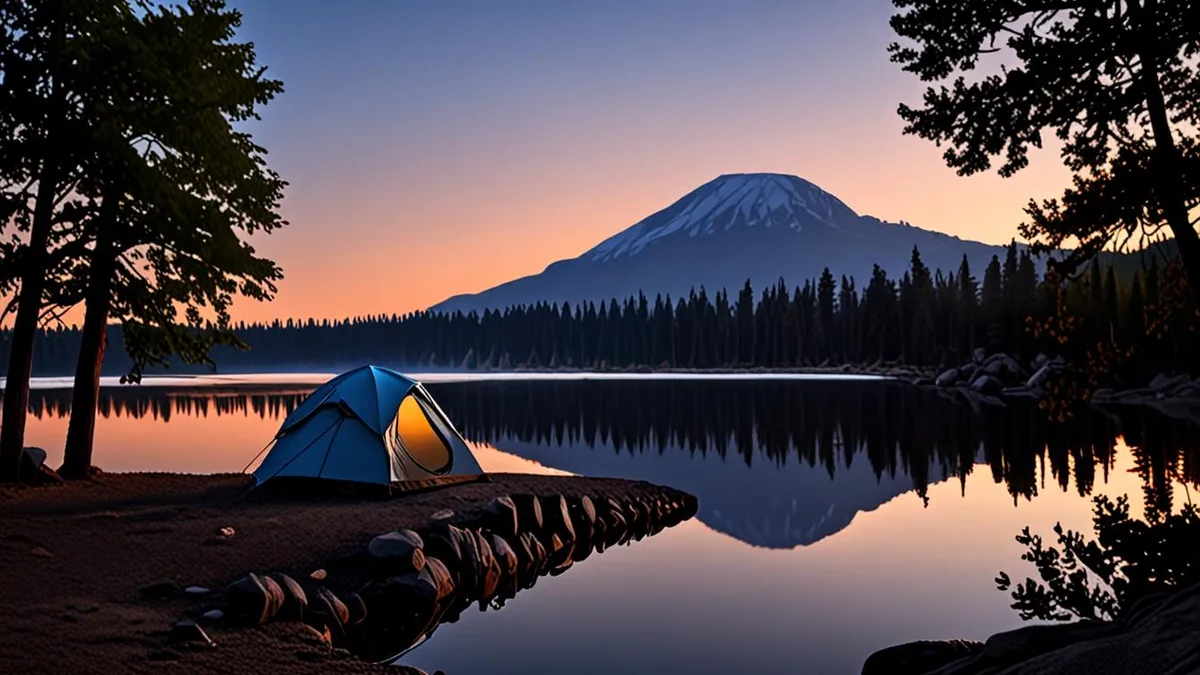
Comfort is the reason many people switch from tents to glamping. Most glamping units include a real bed with a proper mattress, bedding provided, plus heating for chilly nights. Bathrooms are either private en-suite or shared facilities kept to a hotel-like standard. You still hear the wind and see the stars, but you do it from under a duvet instead of a sleeping bag zipped to your chin.
What campers trade for the lower price
Traditional camping means sleeping on a sleeping pad or air mattress, which helps but rarely matches a real bed. Showers and toilets are usually in a shared washroom block, which can mean a walk in the dark and, on busy weekends, a line in the morning. None of this ruins a good trip — many campers love the simplicity — but it’s a genuine step down in comfort, especially if you’re traveling with kids or anyone with sore joints.
Weather changes everything
This is where the gap widens most. Glamping structures with solid floors and heating handle rain and cold nights far better than tents. A canvas tent can leak or chill noticeably after a storm, and a thin sleeping pad does little against cold ground. In a yurt or cabin, a rainy evening becomes a cozy one with a book and a lamp rather than a soggy scramble. If your dates fall in a shoulder season or an unpredictable climate, that weather protection alone can justify the higher nightly rate.
Setup, Effort and What You Pack
Setting up a campsite is real work, especially the first time. Standard tent setups need 60–90 minutes to pitch for first-timers, and that is before you have sorted out the stove, the cooler and the tangle of guy lines. Packing everything down on the last morning adds another chunk of time, and it usually happens when you are tired and slightly damp.
Glamping flips that equation completely. You arrive with clothing and food only — no gear list, no poles, no tent pegs. The bed is made, the lights work and the cooking area is either provided or close by. For a weekend trip, this can easily save you several hours of loading, unloading and repacking.
The hidden cost of camping is logistics. Campers carry and store all equipment, which adds prep and vehicle space requirements. A tent, sleeping bags, pads, stove, cookware and cooler can swallow most of a car’s trunk, and everything needs checking and repacking between trips.
- Home storage: camping gear needs a dry place to live between trips, so tents and sleeping bags should be aired out and packed carefully to avoid mold and mildew.
- Meal planning: campers typically plan simpler meals around a camp stove or fire, while many glamping sites sit near kitchens, restaurants or towns with easy food options.
- Weather checks: tent campers should check the forecast before leaving, since wind and rain affect how pleasant setup and teardown will be.
When to Book and When to Go
Timing makes a bigger difference than most first-timers expect. Peak camping season runs roughly June–August, when campground rates rise and the best sites go first. Shoulder months like May and September mean fewer crowds, quieter trails and often better weather for actually enjoying yourself. You also get more flexibility with arrival days, since fewer people are competing for the same pitches.
Glamping follows a similar rhythm but stretches wider. It is most popular April–October, when canvas structures stay comfortable — outside that window, yurts and safari tents can feel cold and damp. If you want a warm-weather weekend, assume competition. Keep in mind that most glamping units sleep 2–4 guests, so availability for larger groups tightens even faster than for couples.
Most glamping providers require booking 2–3 months ahead for summer weekends. Popular campgrounds also fill fast for summer holiday weekends, so reserve early there too. If you show up on a Friday in July without a reservation, you may spend your evening driving from site to site looking for space — and in some regions, especially near national parks or coastlines, you may end up with no space at all.
- Weekday advantage: midweek nights are easier to book in both campgrounds and glamping sites, and some providers offer lower rates outside Friday and Saturday.
- Cancellation lists: if a campground or glamping site is fully booked, check back later — cancellations are common as plans change, especially in the final week before arrival.
- Shoulder-season comfort: May and September can be ideal for glamping, since canvas units stay usable but sites are noticeably quieter than in midsummer.
Which Experience Fits Your Trip and Budget
The right choice depends mostly on your budget, your group and how much effort you want to invest. If you are watching every dollar, camping is the natural fit. A pitch plus your own gear keeps costs low, and that saving compounds on longer trips — a week under canvas costs a fraction of a week of glamping.
Camping also rewards people who want a hands-on outdoor experience. Learning to pitch a tent, cook on a stove and live out of a pack is part of the appeal, and those skills make every future trip easier and cheaper.
When glamping makes more sense
Glamping sits at the premium end of the price scale, so choose it when comfort, easy setup or traveling with kids matters most. Real beds, heating and proper bathrooms turn a rainy night from an ordeal into a minor inconvenience. For families with young children, arriving at a ready-made shelter often makes the difference between a fun trip and a stressful one.
First-timers and multi-destination travelers often find glamping less risky in unpredictable weather. You have not yet built the gear list or the skills that make tent camping forgiving, and hopping between destinations is far simpler when you carry clothing and food instead of a full camp kit. If your dates are fixed and the forecast is uncertain, a solid structure with heating is the safer bet.
The Bottom Line
So how different are the two, really? The gap is bigger than most first-timers expect. Camping costs $15–$40 per night plus gear, while glamping runs $100–$400 per night with comfort included. Glamping removes setup work and weather stress; camping rewards self-sufficiency and lower budgets. Neither is the better choice overall — it depends on your budget, your gear and how much comfort you want after dark.
One thing applies to both: they peak in summer, so booking early decides which option you actually get. If you have tried one or the other, or you are still torn, share your thoughts in the comments or pass this article along to a travel partner.