You love the idea of falling asleep to crickets instead of traffic. But the reality of camping — a thin tent, a cold floor, a shared pit toilet at the end of the path — is enough to keep you in a hotel. If that sounds familiar, glamping might be exactly what you’ve been looking for.
Glamping, short for glamorous camping, gives you the nature experience without the gear haul or the discomfort. You arrive to a real bed, proper linens, weather protection and often heating, all set up before you get there. In this beginner’s guide, we’ll explain what glamping is, walk through the main types of stays from safari tents to domes, break down what it usually costs, and cover the best times to go and how far ahead to book. You’ll also find practical advice on choosing your first site and packing the right things, plus a quick summary at the end so you can plan your first trip with confidence.
What Is Glamping, Exactly?
Glamping is glamorous camping: a nature-based stay where the comfort is already built in. Instead of pitching a tent yourself, you arrive to a furnished structure — a canvas tent, a dome, a yurt or a cabin — with a real bed, fresh linens and weather protection waiting for you. Many sites also include heating or cooling and a private bathroom or nearby facilities, so the experience feels closer to a boutique hotel than a campsite.
What makes it different from traditional camping
The biggest difference is gear. On a traditional camping trip, you haul a tent, sleeping bags, sleeping pads, a stove and a cooler, then spend your first hour setting everything up. With glamping, you bring none of that. The tent, dome or cabin arrives furnished and ready, which means your vacation starts the moment you park the car.
It helps to think of glamping as sitting between a hotel and a campsite. You’re closer to nature than you’d be at a resort — many units sit in meadows, forests or on hillsides with no neighbors in sight — but you’re far more comfortable than you’d be in a tent you pitch yourself. You still hear the wind in the trees and see the stars at night. You just do it from a proper mattress, under a solid roof or a well-sealed canvas, with warm socks and a hot drink within easy reach.
That middle ground is exactly why glamping has grown so popular. It works for couples who want a romantic escape, families who want kids to experience the outdoors without a battle over sleeping bags, and travelers who simply want one comfortable night in nature without buying equipment they may never use again.
The Main Types of Glamping Stays
Glamping isn’t one single type of accommodation — it’s a whole family of stays, and the differences matter more than you might expect. A canvas safari tent feels very different from a wooden treehouse, and the right choice depends on how much comfort you need, where you’re going and how many people are traveling with you.
The most common options fall into six categories: safari tents, geodesic domes, yurts, cabins, treehouses and Airstream trailers. Most units sleep 2-4 guests, though family-sized safari tents can host up to 6, which makes them a solid pick for parents with kids. Before booking, it helps to know what each type actually looks and feels like on the ground.
- Safari tents: large canvas structures on wooden decks, usually the most spacious option for 2-6 guests. Many include a covered porch with chairs, so you get outdoor living space as well as indoor room — a good match for families or anyone who wants room to spread out.
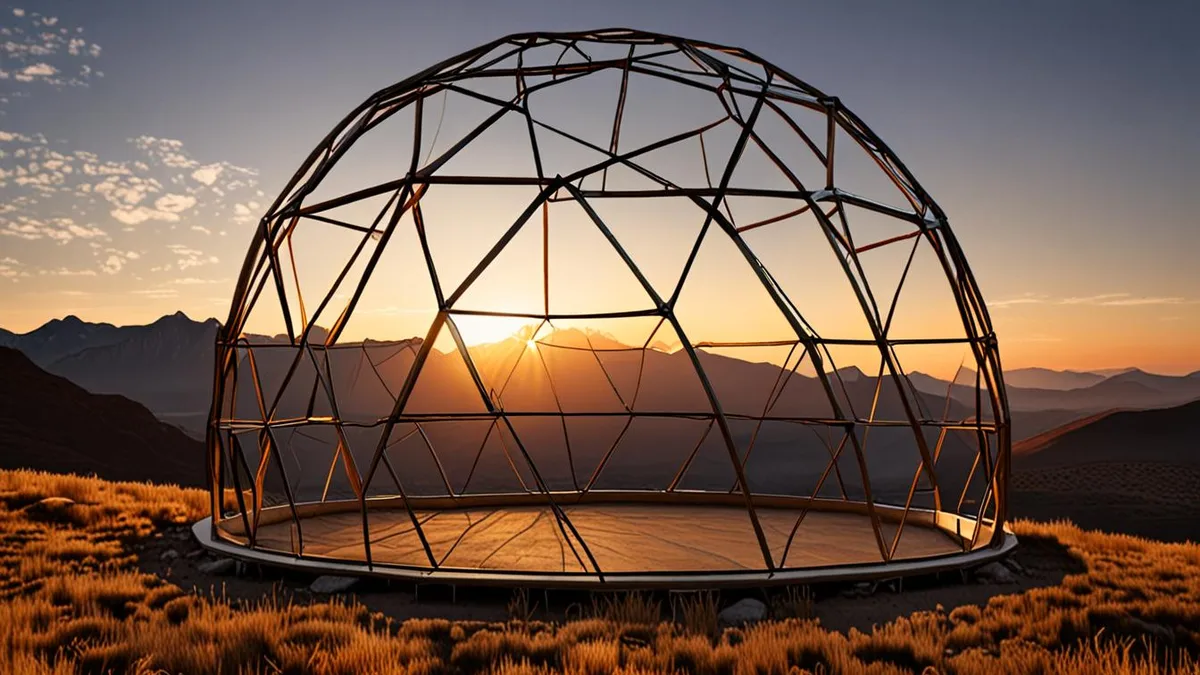
- Geodesic domes: rounded structures, often with transparent panels for stargazing, popular in mountain areas. The curved shape sheds wind and snow well, and lying in bed watching the sky through a window panel is a memorable experience in itself.
- Yurts: circular canvas dwellings with central heating, common in meadow and steppe settings. The round layout feels open and airy, and the heating makes them a dependable choice in cooler seasons.
- Treehouses, cabins and Airstream trailers: these round out the range, from rustic-chic to retro-luxury. A treehouse lifts you into the canopy, a cabin offers the most solid walls and insulation, and a restored Airstream brings polished metal charm with a vintage feel.
If you’re unsure where to start, think about your destination first. Domes suit mountain landscapes, yurts suit open meadows, and safari tents work well almost anywhere with a flat deck site. Matching the stay type to the setting is half the fun of planning.
What Glamping Usually Costs
Glamping costs more than pitching your own tent, but far less than many boutique hotels — and prices vary widely depending on the type of stay, the location and the season. As a general rule, expect to pay $100-$500 per night, with luxury safari tents and domes at the higher end of that range. A simple yurt in a quiet meadow will sit near the bottom; a stargazing dome with a private hot tub in a scenic mountain area can climb toward the top.
How the season changes the price
Timing makes a big difference to your budget. Off-season stays — October through April in temperate regions — often cost 20-40% less than peak prices. If you’re flexible on dates and don’t mind cooler weather, an off-season trip can turn a top-tier dome into a mid-range booking. Just check that the unit has reliable heating before you commit to a cold-month stay.
Watch out for extras
The nightly rate doesn’t always tell the whole story. Some sites are all-inclusive; others charge separately for meals, activities and firewood, and these extras can add $30-$80 per day to your total. Before you book, check the listing carefully: is breakfast included? Do guided hikes or kayak rentals cost extra? Is firewood provided for the fire pit, or sold on site? A $150-per-night stay with paid extras can end up costing more than a $200-per-night stay that bundles everything. A quick read of the fine print — and recent guest reviews — will tell you exactly what you’re paying for.
When to Go and How Far Ahead to Book
Most glamping sites in the US and Europe see their busiest stretch from June through September. That’s when the weather is most reliable, school holidays fill family calendars, and canvas structures feel their best. It’s also when prices sit at their highest and availability is tightest, so planning ahead matters more than it would for a regular hotel stay.
How far ahead to book
For a summer weekend, aim to book 3-6 months in advance. Popular weekends in July and August can sell out surprisingly early, especially at sites with only a handful of units. If your heart is set on a stay near a well-known national park, push that window out to 6-12 months — these locations attract visitors from all over the world, and the best units go first.
If your schedule is flexible, consider the shoulder months. May, late September and October often bring pleasant weather with noticeably milder prices and far more open calendars. You trade some warmth for quieter surroundings, and many travelers find that trade worth making. Off-season rates can also drop well below peak pricing in temperate regions, so a midweek autumn stay may cost a fraction of a July weekend.
One practical tip: book the unit itself before you lock in travel plans. Because each site has only a few structures, a specific dome or safari tent can disappear months before a nearby hotel room would.
How to Choose Your First Glamping Site
Your first glamping trip should feel like a gentle step up from a hotel, not a test of endurance. The biggest decision is the type of stay. If you’re sensitive to cold, choose a heated dome or a solid cabin — both hold warmth far better than canvas. If you want that classic under-canvas feeling, a safari tent delivers it, and family-sized models can host up to six guests comfortably.
The bathroom question is the one beginners most often overlook. A private ensuite attached to your unit feels like a hotel; a shared bathhouse a few minutes’ walk away changes the experience significantly, especially at night or in the rain. Always ask which one you’re getting before you book.
Before committing, spend some time with recent reviews. Look for comments on noise from nearby roads or other guests, wildlife wandering through camp, and — crucially — how the unit performed in a storm. Canvas structures vary widely in how well they handle wind and heavy rain, and reviewers who stayed through bad weather will tell you.
- Distance from home: For your first trip, pick a site within a 1-2 hour drive. If the weather turns or you sleep badly, you can simply head home instead of being stranded hours away.
- Heating source: Ask whether the unit has a wood stove, electric heater or propane heat. A wood stove adds atmosphere but means you may be feeding it at 3 a.m.
- Cell coverage: Many sites sit in valleys or remote spots with patchy signal. Check recent guest comments if you need to stay reachable.
- Host support: Look for mentions of an on-site host or responsive owner — helpful if a stove won’t light or a zipper jams after dark.
What to Pack for a Glamping Trip
Packing for glamping is far lighter than packing for camping, but a few items make a real difference. The most common surprise for first-timers is the cold: canvas structures cool down quickly at night, even on warm summer evenings. Bring layers and a warm jacket, and you’ll stay comfortable from the fire pit to your bed.
Many glamping sites are deliberately unlit to preserve the night sky, so getting from your unit to the bathroom after dark means lighting your own way. Sturdy shoes help too — paths between units are often gravel or grass, sometimes muddy after rain. A reusable water bottle is equally useful, since drinking water may come from a tap at the main lodge rather than your unit.
On the bedding front, you’re usually covered: most units provide linens and towels as standard. Still, confirm this with the site before you pack, because a handful of more rustic options expect you to bring a sleeping bag or sheets. Bug spray is the one thing you should bring regardless of what the site promises — mosquitoes and midges don’t check the amenities list.
- Slip-on sandals or camp shoes: Handy for quick trips outside your unit at night, when lacing up hiking boots feels like too much effort.
- A small power bank: Some canvas units have limited or no outlets, so a charged power bank keeps phones and headlamps topped up.
- Eye mask and earplugs: You’re in nature, so expect early birdsong, rustling wind and the occasional distant rooster. Light sleepers will thank themselves.
- A headlamp, not just a phone flashlight: It keeps your hands free for unlocking doors, finding the bathhouse or stoking a wood stove in the dark.
Glamping at a Glance
If you love the idea of sleeping under the stars but can’t face a thin tent, a cold floor and a shared pit toilet, glamping is the answer. It combines nature stays with hotel comfort: you get a real bed, heating and linens, and there’s no gear to carry or pitch. The canvas walls and starry skies are still there — the misery optional.
Most sites charge somewhere in the $100-$500 per night range, so a first trip doesn’t have to be a huge financial commitment, especially if you pick a shoulder month. Peak season runs June through September at most US and European sites, which is when the popular units fill up fastest. Book 3-6 months ahead for summer weekends, and start with a heated dome or safari tent within a short drive of home.
Once you know what you like — canvas, domes or a solid roof over your head — you can work up to more remote sites and longer stays. If you’ve tried glamping, share your experience in the comments, and pass this guide along to a friend who still thinks camping means suffering.