Many travelers book a lodge, a cabin and a chalet as if they were the same thing, then arrive to find something completely different from what they pictured. A couple expecting hotel-style service ends up making their own beds in a tiny cabin. A ski group books a lakeside lodge far from the lifts. These mix-ups happen because the three stay types look similar in photos, yet they differ in size, service, setting and season.
This guide on lodge vs cabin vs chalet clears up the confusion. We explain what each stay type actually is, compare them side by side, and help you match the right one to your trip, whether that is a ski week, a lake break or a comfort-focused nature holiday. We also cover booking windows and realistic price ranges, so you can plan ahead instead of paying peak-season rates for the wrong kind of stay.
What Is a Lodge?
A lodge is the largest and most serviced of the three stay types. These properties often range from 80 to 200 m2, giving you far more space than a typical hotel room. Most lodges are part of a small resort, which means you get real services on site: a reception desk, housekeeping and often an on-site restaurant.
The setting is a big part of the appeal. Lodges are commonly positioned near nature highlights rather than in villages. Think of properties beside lakes, along fjords, at the edge of forests or right by a national park entrance. You are there for the landscape, and the lodge is built to make the most of it, often with large windows and terraces facing the view.
What to expect from a lodge stay
Expect hotel-style comfort rather than a do-it-yourself holiday. Daily service is normal, breakfast is usually offered, and shared facilities such as saunas or lounges are common. After a long day of hiking or exploring, you can eat at the lodge restaurant instead of cooking, then relax in a common space with other guests.
This combination of scenery and service is what sets lodges apart. They suit travelers who want to be close to nature but are not willing to give up daily cleaning, prepared meals or a front desk when something goes wrong.
What Is a Cabin?
A cabin is the smallest and simplest of the three stay types. Cabins typically measure 20 to 60 m2, which is enough for a couple or a small family but not much more. They are fully self-catering: you cook your own meals, make your own beds and handle everything yourself. There is no daily service, no reception and usually no staff on site at all.
Who a cabin suits best
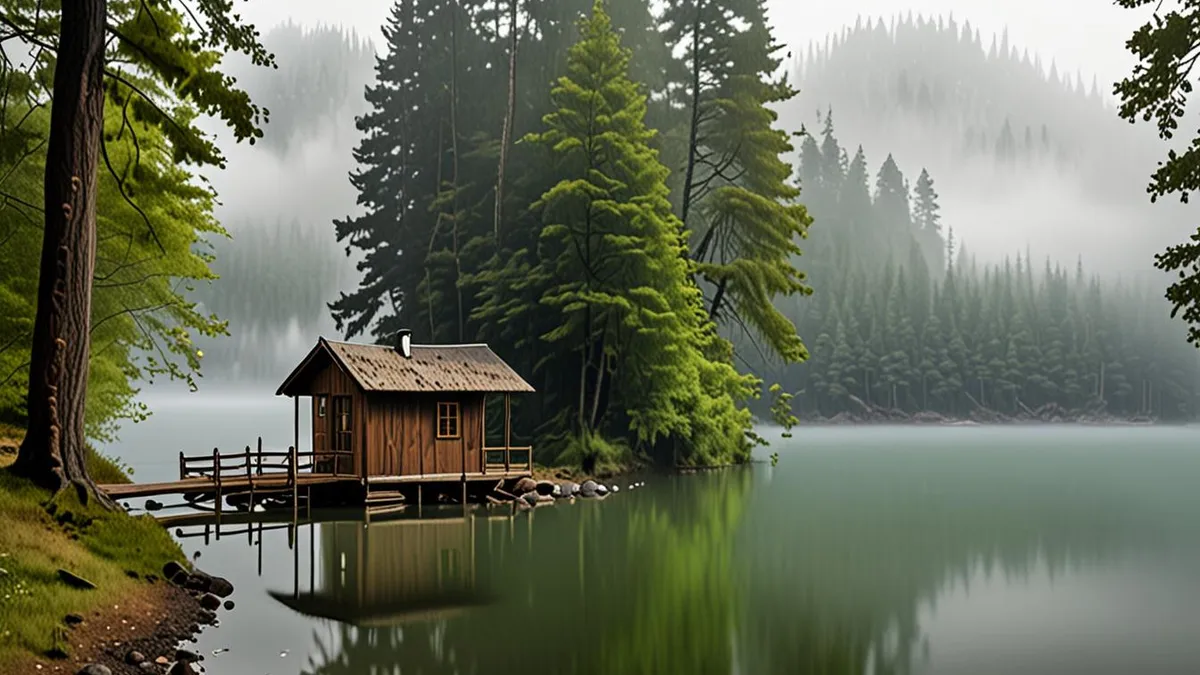
Cabins shine on short nature breaks. They work well for hiking trips, fishing weekends, lake swimming and quiet evenings with no staff around and no other guests nearby. If your idea of a good holiday is a rowboat on a still lake in the morning and a sauna or a fire in the evening, a cabin delivers that at a lower cost than any serviced option.
Nordic lake cabins are the classic example, and they are most popular from May to September. During those months the midnight sun keeps evenings bright and the water is warm enough for swimming, so outdoor living becomes effortless. For a closer look at lakeside stays in Scandinavia, see Sweden lodges for lake holidays.
Keep in mind that a cabin demands a bit of self-sufficiency. You shop for groceries, plan meals and leave the place tidy at checkout. For many travelers, that trade-off is exactly the point.
What Is a Chalet?
A chalet is an Alpine building, and its shape tells the story. Chalets have a wide overhanging roof designed to shed heavy snow, and they are traditionally built on stilts over sloped ground so the structure can handle steep mountain terrain and deep winter conditions. This is architecture born from necessity, not style alone.
Traditional chalets are wooden, with balconies facing the mountains so you can step outside and take in the view from every floor. Modern chalets keep that classic look but add serious comfort: saunas, hot tubs and underfloor heating are now common in many of them, which makes drying ski gear and warming up after a cold day on the slopes much easier. Sizes vary widely too, from small apartments for couples to large group houses that sleep a whole ski crew under one roof.
When to stay in a chalet
The classic chalet season runs roughly December to April, when the Alps are covered in snow and ski resorts run at full pace. But chalets are not only for winter. Many operate in summer from June to September, when the same mountains become a base for hiking stays and the balconies face green slopes instead of white ones.
Keep in mind that location drives price. Ski-in/ski-out chalets typically cost 30-60% more than valley-based equivalents in peak weeks, so if you have your own car or the resort shuttle is reliable, a valley position can stretch your budget noticeably further.
If you are weighing an Alpine stay against other options, it helps to see how serviced mountain properties compare with classic chalets. For a closer look at that side of the equation, read this guide to Switzerland lodges for Alpine comfort. The short version here: choose a chalet when snow sports or Alpine hiking are the main point of your trip, and the building itself is part of the experience.
Lodge vs Cabin vs Chalet: Side-by-Side Comparison
Once you know what each stay type is, the differences become much easier to see. The three options overlap in some ways, but they split clearly when you compare size, service and setting side by side.
Size is the most obvious gap. A cabin is the compact choice, typically 20-60 m2, which is plenty for a couple but snug for a family. Lodges usually range from 80-200 m2, giving you proper living space, several bedrooms and room to spread out. Chalets are the wildcard: they vary widely, from small apartments in an Alpine village to group houses of 300+ m2 that sleep ten or more skiers.
Service is where the real difference shows up day to day. Before you book, it helps to ask what is actually included, because the three types handle this very differently:
- Lodges: staffed properties where meals, cleaning and guest support are taken care of by the team, so you can simply arrive and settle in; some lodges, like those you can find in Bavaria’s comfortable lodge stays, pair that hotel-style convenience with a mountain setting.
- Cabins: fully self-service, meaning you cook your own meals, make your own beds and leave the place as you found it; there is no front desk to call if something breaks.
- Chalets: the widest range of all, from basic self-catering apartments to catered weeks where a host cooks dinner six evenings and drives you to the lifts.
Setting rounds out the picture. Lodges are usually positioned near nature highlights such as lakes, fjords or national park entrances, often a short drive from the nearest village. Cabins sit directly in the landscape, tucked into forests or right on a lakeshore. Chalets belong to the Alps, built in ski and hiking villages where slopes and trails start at the door.
Which One Fits Your Trip?
The right choice depends less on the building itself and more on what you plan to do once you arrive. A romantic lake break and a week of skiing need completely different bases, so start with your main activity.
Ski Trips Point to a Chalet
For a skiing holiday, a chalet near the lifts is the natural choice. You want to wake up, walk a few minutes in your boots and be on the first lift of the day. Be aware that ski-in/ski-out positions typically cost 30-60% more than valley-based equivalents in peak weeks, so if your budget is tight, a chalet a short bus ride down the valley can save you a lot while still keeping you close to the slopes.
Lake Breaks and Comfort Nature Stays
For lake and forest holidays, a cabin works best. It gives you privacy, quiet evenings and a low price, with no staff, no other guests and no schedule. Nordic regions are the classic example, where cabins by the lakes are commonly rented from May to September, when the midnight sun and warm water make outdoor living easy. You can swim before breakfast, grill dinner on the shore and fall asleep to nothing but birdsong.
If your priority is comfort rather than independence, a lodge is the better fit. Long day walks in a national park are far more enjoyable when you know a restaurant, breakfast and daily cleaning are waiting at the end of them. A lodge balances scenery with real services, which makes it a strong option for travelers who want nature without giving up hotel-style convenience.
How to Book the Right Stay Type
Booking the right stay type is mostly about timing and reading the fine print. Prices and availability swing heavily by season, and the difference between booking well and booking late can be the gap between a lakeside cabin and a roadside one, or a ski-in chalet and a long walk to the lifts. The good news is that a few simple habits will save you both money and disappointment. Start by deciding whether a lodge, cabin or chalet actually suits your trip, because each type follows its own booking rhythm and sells out in its own way. Then work through the practical steps below before you commit to anything. None of them take long, but together they protect you from the most common and expensive mistakes travelers make when reserving nature stays in the Alps, the Nordics and beyond.
- Decide the stay type first. Chalets, cabins and lodges open for booking on different schedules and sell out in different ways, so lock in the type before you fix your dates.
- Book peak winter weeks early. For Christmas and February half-term, plan to reserve chalets and lodges 6-9 months ahead; the best positions near the lifts go first and latecomers pay more for less.
- Set a realistic budget. Peak-season lodge stays in the Alps often cost 150-400 EUR per night for two people, while cabins outside resort areas are usually far cheaper, sometimes a fraction of that.
- Check exactly what is included. Read whether the listing covers catering, cleaning and linen, because a catered chalet and a self-catering cabin can look similar online but price very differently once you add up food, towels and final cleaning fees.
- Compare total cost, not nightly rate. A cabin with a high cleaning fee or a lodge without breakfast can end up costing more than the headline price suggests, so calculate the full stay before choosing.
Finally, remember that fees, taxes and inclusions change from year to year, so always confirm the current details with the operator before paying. Local tourist taxes, final cleaning charges and linen rental can all shift between seasons, and what was included last winter may be an optional extra this year. If you are booking far ahead for a peak week, ask the operator to confirm the full price in writing, including any extras you expect to use. It also pays to check the cancellation terms carefully, since long-booked peak weeks often come with stricter policies than off-season stays. A ten-minute check of the listing terms is the cheapest insurance you can buy for a week in the mountains or by the lake, and it leaves you free to look forward to the trip rather than worry about surprise costs on arrival.
Wrapping Up the Lodge, Cabin and Chalet Differences
The confusion between these three stay types usually comes down to service level and setting, and that is exactly where the lines are drawn. Lodges are the largest and most serviced, with reception, housekeeping and often on-site dining. Cabins are the smallest and most private, fully self-catering and best for quiet nature breaks. Chalets are the Alpine option built for snow, with sloped-ground construction and wide overhanging roofs.
Once you know the difference, matching is simple: skiing points to chalets, lake breaks to cabins, and comfort-focused nature stays to lodges. Keep in mind that booking windows and price ranges differ sharply by season, so decide on the stay type before you lock in dates. If this guide helped you sort out lodge vs cabin vs chalet, leave a comment with your own trip plans or share it with a fellow traveler.