If you want to book a lodge in the Alps without overpaying, timing matters almost as much as the lodge itself. The same chalet can swing wildly in price depending on the week you choose, and the difference between a peak-week stay and a well-timed shoulder-season trip can pay for your lift pass, meals, or even a spa day. The challenge is knowing when rates rise, when they drop, and how far ahead you actually need to commit.
This guide walks through the alpine calendar season by season, starting with an overview of winter, summer and the quieter months in between. We’ll look at exactly when prices spike, where real value hides in January, June and September, and how far in advance to reserve for each type of trip. You’ll also find practical pricing tips, from shifting your arrival day to comparing valleys, plus advice on matching the right month to your travel style, whether you’re chasing powder, trails or quiet mountain scenery.
Alpine Seasons at a Glance
The alpine calendar is built around two very different peak periods, and understanding both is the first step to booking well. Winter is the headline season: slopes open and lift systems spin up across the Alps, drawing skiers, snowboarders and festive travelers. Summer brings a completely different crowd of hikers, mountain bikers and families who come for wildflower meadows, cable cars running on summer schedules and long, clear days at altitude.
Between these peaks sit the shoulder months, when the mountains quiet down and many lodges drop their rates or briefly close their doors. These in-between weeks are where flexible travelers often find the best combination of price and availability, though it pays to check which lodges are actually open before you commit.
How the seasons affect your booking
Each season reshapes the market in two ways at once. Availability tightens dramatically during school holidays and midsummer, when the most popular lodges fill months in advance. Nightly rates move just as sharply, often following a predictable rhythm: high in peak weeks, lower in the quiet stretches that surround them.
The practical takeaway is simple. Decide first what kind of trip you want, snow or sunshine, crowds or calm, then let the calendar guide your booking window. The sections below break down each period in detail so you can match your dates to your budget.
Winter: Peak Weeks and Price Spikes
Winter is when lodge prices in the Alps reach their highest point, and the spikes are concentrated in a handful of weeks. Christmas, New Year and February half-term are the most expensive stretches of the entire year, with rates often running 40-60% above low-season levels. Demand from families and holiday travelers is so strong that many lodges enforce minimum stays of 5-7 nights during these weeks, which further limits your options if you can only get away for a long weekend.
When to ski for less
The good news is that the snow doesn’t care what week it is. January after New Year and late April offer the same slopes, lifts and mountain scenery at much lower prices. High-altitude resorts often hold their snow cover well into both periods, so you can frequently ski excellent conditions while paying a fraction of the festive-week rate. These quieter weeks also mean shorter lift lines and emptier restaurants.
Don’t overlook the secondary spikes either. Valentine’s week draws couples to ski valleys, and Easter brings another wave of family travel, pushing prices up in popular resorts. If your dates are flexible, aim for the weeks just after New Year or before the Easter rush, and you’ll keep most of the winter experience while avoiding the steepest premiums.
Summer and Shoulder Season Value
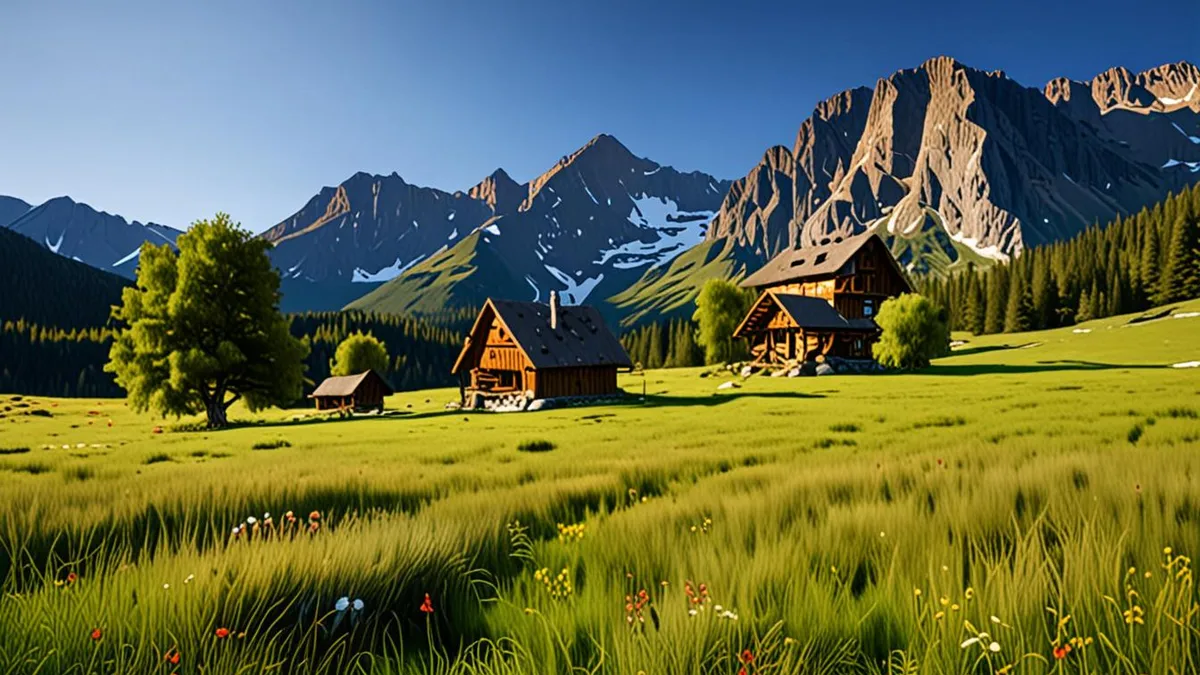
Summer in the Alps has become a proper high season of its own, and July and August are its busiest and priciest months. Trails, cable cars and lake beaches all fill up, and lodge rates climb accordingly. Families on school holidays dominate these weeks, so if you’re tied to them, expect to pay peak prices and book well ahead.
June and September are the sweet spot for value seekers. You still get warm days, open trails and most facilities running, but rates typically come in 20-40% below peak summer levels. The light is beautiful, the paths are noticeably quieter, and lodges are more willing to negotiate on length of stay.
May and October are the quietest and cheapest months of all, with a catch: some lodges close entirely for maintenance between the winter and summer seasons. Always confirm opening dates before planning a trip in these months.
- Weather windows: June often offers lush green meadows and snow still visible on the highest peaks, while September brings crisp air and clearer views, two of the best photography months in the mountains.
- Booking flexibility: In September you can often change dates or shorten a stay without penalty, something virtually impossible during July and August when demand is firm.
- Trail conditions: June and September mean popular hiking routes stay pleasantly uncrowded, while October can see high-altitude paths close early as temperatures drop.
- Mixed trips: Shoulder-season stays let you combine hiking with wellness facilities and spa access that peak-season lodges reserve weeks in advance.
If empty paths and flexible booking matter more to you than a packed events calendar, the shoulder season is hard to beat.
How Far Ahead to Book
Timing matters as much as location when it comes to alpine lodges. The best lodges in popular valleys fill up early, and the gap between booking early and booking late can be the difference between your first choice and whatever is left. A rough plan based on when you want to travel takes most of the stress out of the process. Here is a simple timeline to work from.
- Peak winter weeks: 4-6 months ahead. The festive period and the mid-February school break sell out first, and lodges often hold back their best rooms for early bookers. Reserving 4-6 months ahead gives you real choice over lodge, view and bedroom configuration, not just whatever remains on the board.
- July and August: 3-4 months ahead. Summer is busier than many travelers expect, especially in hiking and mountain biking hubs. Booking 3-4 months out usually secures a good lodge before the family and group market tightens things up.
- Shoulder season: 1-2 months out. Trips in May, June, September or October can often be booked closer to arrival with plenty of lodges still open and good rooms available. If you are flexible on dates, this is the easiest window to arrange.
- Last-minute deals: 2-4 weeks before arrival. Some lodges discount empty weeks at short notice, which can work well in quieter periods. Treat these as a bonus rather than a plan, though, because they are unreliable during school holidays when demand stays high.
One more practical note: whatever window you fall into, check cancellation terms before you commit. A flexible rate booked a little early often beats a rigid bargain booked late, especially in winter when weather and travel plans can shift. Mark your calendar with a reminder a few weeks before your booking window opens, and you will rarely miss out on the lodge you actually wanted.
Pricing Tips to Cut Costs
Alpine lodge prices are rarely fixed, and small decisions about where and when you stay can shave a surprising amount off your total. Two travelers can book similar lodges in the same region for noticeably different sums, purely because of how they approached the search. Before you settle on the first lodge that looks good, spend an evening comparing options with these tactics in mind. They work in both winter and summer, and none of them require inside knowledge of the industry.
- Arrive Sunday or midweek. Many lodges price weekends higher, and Saturday-to-Saturday stays can carry a premium in ski valleys. Shifting your arrival to Sunday or a midweek day often means lower nightly rates, plus quieter roads and shorter lift queues on transfer day.
- Compare several valleys, not just one resort. Famous names charge for the name. A smaller resort one valley over often offers similar terrain, a comparable snow record and noticeably lower lodge rates, with easier parking as a bonus.
- Choose self-catering for longer stays. Eating out twice a day adds up fast in the mountains. A lodge with a full kitchen lets you cook breakfast and a few dinners, making a week-long stay far cheaper than a hotel with mandatory half board.
- Split the cost as a group. A large lodge divided between two or three families or a group of friends usually works out cheaper per person than booking several hotel rooms, and you get shared living space that hotels rarely offer at any price.
Finally, ask lodges directly about their own offers. Some run early-booking discounts, return-guest rates or reduced prices for longer stays that never appear on booking platforms. A short, polite email listing your dates and party size is often all it takes to uncover them. It also gives you a feel for how responsive a lodge is before you commit, which matters when plans change in the mountains.
Matching Your Trip to the Right Month
The right month depends entirely on what you want from the mountains. A week that is perfect for a skier would frustrate a hiker, and a quiet, cheap month can be ideal for one traveler and limiting for another. Before you start searching, think honestly about your trip style: how much you value empty slopes or trails, whether you need lifts and lodges fully open, and how strictly your dates are fixed. Once you know that, the calendar becomes much easier to read.
- Ski-focused travelers: aim for December to April, but steer around the expensive weeks. The quieter stretches of the winter season deliver proper snow at far lower rates, and the slopes are noticeably emptier than during the festive and half-term crowds.
- Hikers: June and September hit the sweet spot. Trails are open and well marked, cable cars are running for lift-assisted routes, and rates sit well below the July and August peak. Wildflowers in June and clear autumn light in September are a bonus.
- Wellness and scenery travelers: May and October offer the quietest, cheapest alpine weeks. Expect some lodges to be closed for maintenance, so book one that is confirmed open, and enjoy spas, lakeside walks and viewpoints without the crowds.
- Families tied to school holidays: book as far ahead as possible. Peak weeks carry the highest rates and the strictest minimum stays, so locking in a lodge early is the most reliable way to secure both the right property and a workable price.
If your dates are flexible even by a few days, use that flexibility. Moving a trip from one month to its neighbor often changes both the price and the character of the stay more than any other single decision you make. The same lodge can feel like two different holidays depending on when you arrive, so treat the month as part of the booking itself rather than an afterthought.
Timing Your Alpine Lodge Stay
If your goal is a lodge stay in the Alps without peak-season prices, timing is your best tool. The cheapest windows are January after New Year, late April, May and October, when rates drop sharply and the slopes or trails are still in good shape. Peak weeks, by contrast, often cost 40-60% more and demand 4-6 months of lead time to secure.
For most travelers, the shoulder months of June and September strike the best balance between weather, price and availability, while skiers who value quiet slopes can find the same in low-season winter weeks. In the end, choosing the right month matters as much as choosing the right lodge. If this helped you plan your trip, leave a comment or share the article with a fellow mountain lover.