Every glamping listing promises the same thing: luxury under canvas, king-size beds and starlit skies. But the gap between a glossy photo and a cold, thin-walled tent at midnight can be enormous. If you want to choose a glamping site that actually delivers on its price tag, you need a checklist before you book, not after you arrive.
This guide walks you through the whole decision, step by step. We’ll start with the main accommodation types and which suits your group, then match the structure to the season you’re traveling in. From there we’ll cover the amenities that separate real glamping from camping, the location checks that prevent surprises, how to read reviews and spot red flags, and finally a booking strategy that gets you the best price and the right unit.
What Kind of Glamping Experience Do You Want?
The first decision shapes everything else: what kind of structure do you actually want to sleep in? A family of four with two kids and a pile of luggage has very different needs from a couple celebrating an anniversary, and the glamping market caters to both ends of that spectrum and everything in between. Getting this choice right matters more than almost any other booking detail, because the structure determines your comfort, your budget and how much of the experience you’ll actually enjoy.
Think about space, weather protection and how memorable the stay needs to be. Canvas structures feel romantic and traditional but flex in the wind and cool down fast. Solid-walled units cost more but behave more like a small hotel room, with proper insulation and less noise from rain or wind. Neither option is better in absolute terms; the right answer depends on who is traveling, what the weather will likely do and whether this is a once-a-year splurge or a casual weekend trial. Here’s how the main types break down:
- Safari tents and yurts suit families wanting space and a classic canvas feel, with room to stand up, separate sleeping areas and enough floor space for cots or a travel crib.
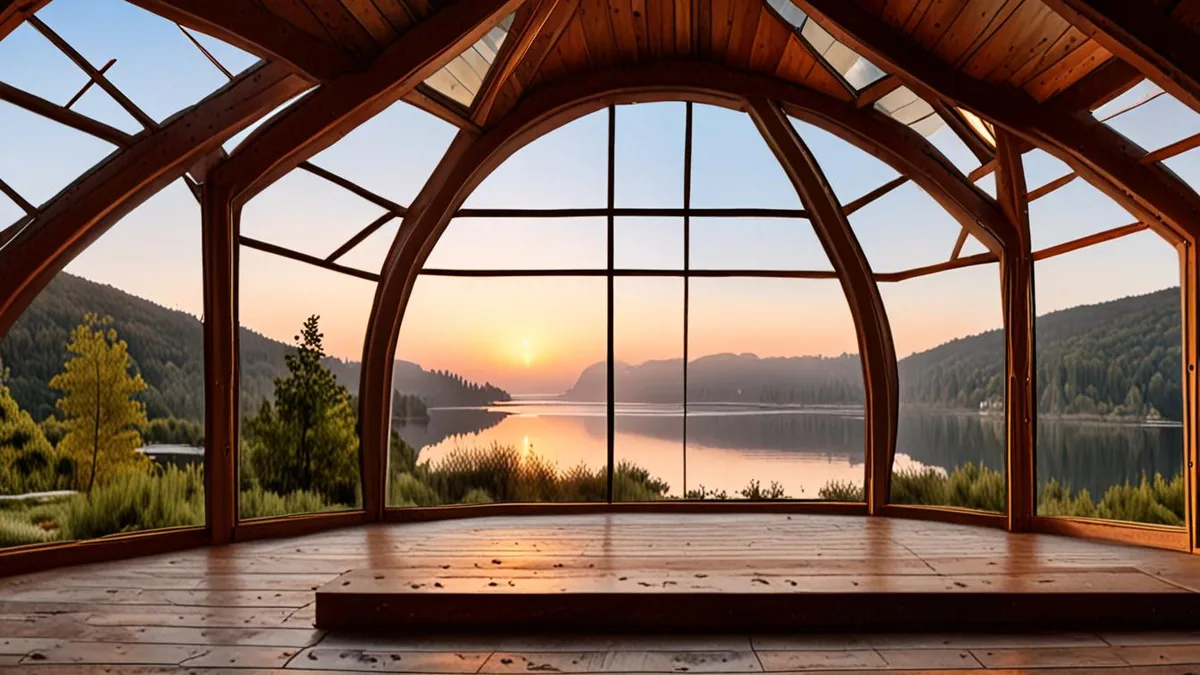
- Geodesic domes and cabins offer solid walls, big windows and better insulation for cooler months, making them the safer pick if your dates fall outside high summer.
- Treehouses and A-frames deliver the most memorable stays, often perched on stilts or slopes with views you won’t forget, but they usually cost $300+ per night.
- Bell tents and pod-style sites are the budget entry point at roughly $100-150 per night, ideal for first-timers who want to test whether glamping suits them before committing to a pricier unit.
A practical tip: match the unit to your group size honestly. A “two-person” dome that looks spacious in photos can feel cramped once you add luggage, so check the stated floor area and sleeping configuration before booking. If you’re traveling with kids, ask specifically whether cots or extra beds are allowed and whether the layout gives adults any privacy after bedtime. Couples can usually downsize, which frees up budget for a longer stay or a more distinctive structure. Whatever you choose, picture yourself spending a full rainy evening inside it, not just a sunny morning, and book accordingly.
Matching the Site to the Season
Canvas and weather have a simple relationship: canvas is great in warm, dry conditions and miserable in cold, wet ones. That’s why season should drive your choice of structure, not the other way around. In most temperate regions, the peak glamping season runs May to September, and that window is when safari tents, yurts and bell tents perform at their best.
Booking canvas outside summer
If your dates fall outside that May to September window, choose an insulated dome or a cabin instead. These units hold heat far better and often come with proper heating built in. As a rule of thumb, expect overnight temperatures below 10°C / 50°F in the shoulder months, and heated accommodation becomes essential at that point rather than a nice extra. Confirm with the host exactly what heating is provided before you book, and ask whether it runs all night or only in the evening.
The autumn trade-off
Autumn stays come with a genuine bargain if you can accept the compromises. Prices tend to be lower, sites are quieter, and the foliage can be spectacular. The catch is daylight: you’ll have noticeably shorter days for hiking, paddling or sightseeing, so plan your activities for the morning and treat the evening as cozy downtime rather than exploration time.
Amenities That Separate Real Glamping from Camping
This is where glamping either earns its premium or quietly turns into camping with a nicer tent. The difference between tiers usually comes down to a handful of practical details, and none of them are guaranteed just because a listing uses the word “luxury.” A dome with panoramic windows can still have a cold-water sink, and a safari tent with gorgeous styling can still mean a midnight walk to a shower block. Ask specific questions before you book and read the fine print on every one of these, because the answers shape how comfortable your stay actually feels.
The most common disappointment is the bathroom situation. Some sites advertise beautiful photos of the unit while burying the fact that showers and toilets sit in a shared block a short walk away. That’s standard at budget sites, and there’s nothing wrong with it if you know in advance and pack accordingly. But at mid-range and luxury prices you should expect an en-suite bathroom, and a shared block at those rates is a fair reason to push back. If the listing doesn’t say, ask directly before paying.
- Self-catering setup: if you plan to cook, look for a proper kitchen or kitchenette with a stove, fridge and sink, not just a campfire grill and a shared washing-up station.
- Comfort features: wood stoves, hot tubs and quality bedding are the features that genuinely justify the $300-600 luxury tier, so make sure at least some of them are actually included rather than available “on request.”
- Connectivity: confirm Wi-Fi and phone signal if you need to stay connected during the stay, and ask whether the signal reaches inside the unit or only around the main lodge.
- Power and lighting: check whether the unit has mains electricity or runs on solar with limited evening light, which changes how practical late nights and device charging will be.
One more tip: hosts who answer amenity questions quickly and specifically are usually the ones who maintain their units well. Vague answers about heating, bathrooms or signal are a quiet warning sign worth taking seriously, and they often predict exactly the kind of gaps between listing photos and reality that reviews complain about later.
Location Checks Before You Book
Glamping sites are often deliberately remote, which is part of the charm but also the biggest practical surprise for first-timers. Many sites sit 30-60 minutes by car from the nearest town with shops and restaurants, so a forgotten bottle of cooking oil or a rainy-day plan B can turn into a long round trip. Before you book, check the drive time to the closest supermarket, pharmacy and petrol station rather than assuming there is a village just down the road.
Quiet matters more than most people expect. A site can look secluded on the map while the unit you book sits beside the entrance gate, a car park or a busy farm track. Most sites publish a site map, and if they don’t, email and ask exactly which unit you would get and what surrounds it. Operators can usually tell you which tents or domes are the most private.
Finally, match the location to what you actually plan to do. A beautiful site is less appealing if every hike, swim or sightseeing trip starts with a 40-minute drive. Look at what is genuinely within walking distance, not what the listing’s photo gallery implies.
- Trailheads: if hiking is the main reason for your trip, confirm a path leaves directly from the site and ask roughly how long it takes to reach the first viewpoint or summit.
- Lakes and rivers: ask whether the water is accessible on foot and whether swimming, kayaking or fishing are actually permitted there, since access rules vary widely.
- Village amenities: a small café, bakery or pub within walking distance can replace a car journey for breakfast or dinner, which matters more on a two-night stay than on a week-long one.
- Attractions: check the drive time to the specific sights on your list, and remember that rural roads often make short map distances slower than they look.
Reviews, Photos and Red Flags
Scenery photos are easy; a clean tent in February is not. When you scan reviews, prioritize recent ones that mention cleanliness, heating and noise rather than glowing comments about the view. A review from last season tells you far more about the current condition of the unit than one from three years ago, especially for canvas structures that wear quickly in the weather.
Photos deserve the same scrutiny. A listing with only wide landscape shots, sunset skies and no interior photos of the unit itself is a warning sign. You want to see the actual bed, the bathroom situation and the heating source before you pay. If interior photos are missing or look dated, ask the operator for current pictures of the specific unit you would book.
Reading negative reviews the right way
Don’t dismiss a site because of a few bad reviews; look for patterns instead. One guest complaining about rain is bad luck, but repeated complaints about thin tents, cold nights or a heating system that doesn’t work tell you something structural about the site. The same applies to noise: if several recent reviewers mention hearing neighbors or nearby roads, expect the same.
Also pay attention to how the operator responds to criticism. A thoughtful, specific reply that offers a fix or an apology is a good sign, even when the original review is harsh. A defensive or absent response to the same complaint repeated across seasons is a red flag worth taking seriously.
Booking Strategy for the Best Price and Unit
Glamping availability is more seasonal than hotel availability, and the best units at popular sites sell out first. For summer weekends, book 3-6 months ahead, especially if you want a specific tent, dome or treehouse. The most photogenic units at a site are often the first to go, and by the time you start searching a month out, you may be left choosing between the least desirable spots or different dates entirely. Midweek stays in shoulder season are far more forgiving: cancellations and unfilled units often open up 2-4 weeks out, which is a good window for a spontaneous, cheaper trip. If your schedule is flexible, set up alerts or simply email the operator a week before your preferred dates and ask about last-minute openings.
Minimum stays are the other thing that catches people out. Expect 2-3 night minimums on weekends and holidays at most sites, so a one-night Saturday stopover usually isn’t possible. Plan your dates around this rather than fighting it; arriving Friday and leaving Sunday often works out better than trying to piece together two separate one-night bookings, which most operators won’t accept anyway. It also gives you a full day on-site instead of spending your whole trip unpacking and packing up again.
- Check the cancellation policy: a long lead time means more chance your plans change, so favor bookings with a reasonable free-cancellation window before you commit several months out.
- Ask about specific units: if the site has one dome with the best view or the most privacy, request it by name when booking direct rather than accepting “any available unit”.
- Compare direct versus platforms: booking direct with the operator sometimes includes perks such as late checkout, a welcome basket or flexible arrival times, and it makes special requests easier to arrange.
- Watch for weekday pricing: midweek rates are typically lower than weekends at the same site, so shifting your stay by two days can free up budget for a better unit.
Wrapping Up Your Glamping Site Choice
Choosing a glamping site comes down to working through a short checklist instead of trusting glossy photos. Start with the stay type and the season you want to travel, since those two decisions shape the price, the comfort level and how much availability you’ll find. A canvas tent in peak summer and an insulated dome in the cooler months are very different bookings, at very different price points.
From there, filter by the amenities and location that matter to you, then use recent reviews and a smart booking window to lock in the right unit rather than whatever happens to be left. Do that, and you’ll pay for a stay that delivers instead of a premium price for a disappointing night under canvas. If this helped you plan your trip, leave a comment or share the article with a fellow traveler.