You’ve probably seen the photos: a wood-smoke curl from a cabin chimney, mist rolling over a loch, nothing but hills in every direction. It looks perfect, and it can be. But if you’ve never booked a lodge stay in rural Scotland, it’s hard to know what you’re actually getting. Will someone make your bed? Is there Wi-Fi? How far is the nearest shop, really?
This guide walks through what a lodge stay in rural Scotland genuinely involves, from the self-catering setup and what’s included inside, to the best times to book, realistic nightly prices, and how to choose between a glen, a lochside or a coastal spot. We’ll also cover the practical stuff that catches people out, like single-track roads, patchy signal and midge season, plus what to pack so changeable weather never ruins your evening on the deck.
What a Lodge Stay in Rural Scotland Really Includes
The first thing to understand is that most lodges in rural Scotland are self-catering. That means you get a full kitchen with an oven, hob and fridge, a washing machine, and your own private entrance. Nobody comes to tidy up or change your towels; daily housekeeping is rare outside hotels. You’re essentially renting a small, well-equipped home for the week, which suits most travelers far better than it sounds, especially after a long day on the trails.
Heating and extras
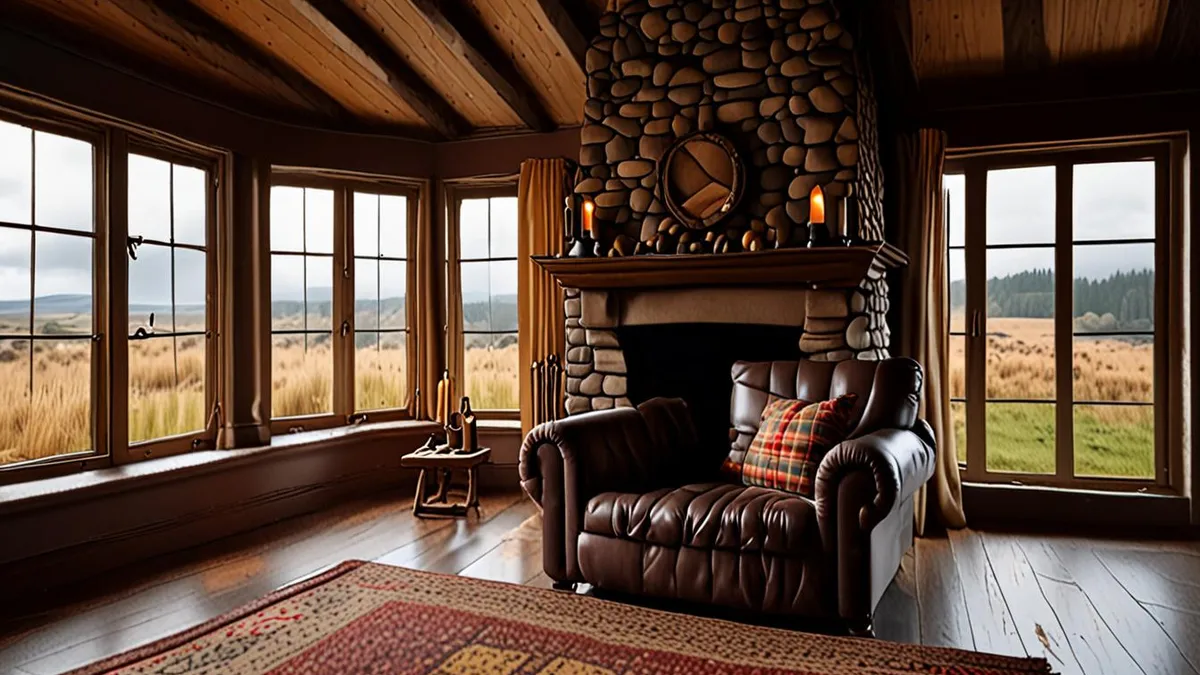
Heating matters more than you might expect, even in summer. Many lodges have a wood burner as their centerpiece, with electric radiators or storage heaters as backup. Hot tubs are common in the mid to upper price range, and there’s nothing quite like sitting in warm water under a big Highland sky, but check the listing carefully if one is a dealbreaker for you.
What’s provided, and what isn’t
Linens, towels and a starter supply of basics are standard: think a few dishwasher tablets, some tea towels, maybe salt, pepper and a small bottle of washing-up liquid. That starter kit is meant to get you through the first night, not the whole stay. Bring or buy your own consumables, including coffee, cooking oil, toilet paper and laundry detergent. If you’re arriving late, pack a few essentials in the car so you’re not hunting for an open shop at 10 p.m.
When to Book: Seasons and Lead Times
Timing shapes both your budget and your experience in rural Scotland, so it pays to think about when you want to travel before you fall in love with a specific lodge. Summer is when everyone wants to be there, and the best properties go early. For a June to August stay, plan to reserve 3-6 months ahead, especially if you have your heart set on a particular feature such as a loch view, a private hot tub or a wood burner. Popular glen and lochside locations fill first, and the most flexible cancellation terms often disappear with them. In winter, booking 4-8 weeks ahead is often enough, though a New Year week can still sell out early.
The shoulder months deserve serious consideration. May and September often deliver milder weather, lower rates and far fewer midges than high summer, plus quieter trails and easier restaurant bookings in nearby villages. If your dates are flexible, try pricing the same lodge in both May and July before you commit.
- Winter stays are the cheapest option: November to February brings the lowest rates of the year, and a lodge with a log fire feels especially rewarding when the weather turns.
- But plan around the light: in late December, daylight runs only from about 8:45 in the morning to 15:45 in the afternoon, so long sightseeing days are off the table.
- Winter suits a different kind of trip: short daylight hours favor travelers who want slow mornings, cozy evenings and maybe one outing a day, rather than packed itineraries.
What You’ll Pay Per Night
Lodge pricing in rural Scotland spans a wide range, and knowing the brackets helps you filter listings fast. At the budget end, a basic two-person cabin starts around £90 per night in low season. These are usually simple, warm and comfortable, with everything you need to cook and sleep well, just fewer frills.
What pushes a lodge past £300
At the top end, luxury lodges with hot tubs and loch views commonly exceed £300 per night in summer. You’re paying for the setting as much as the interior: floor-to-ceiling windows, a private deck, and sometimes extras like a sauna or wood-fired tub. If that’s beyond your budget, look at the same area in the shoulder months, when identical lodges often drop noticeably in price.
How to pay less per night
Weekly bookings are the easiest saving available. Staying seven nights rather than three or four often cuts the per-night cost by 15-25% versus short stays, because owners favor fewer changeovers. If your schedule allows a full week, the math usually works strongly in your favor. Whatever your dates, compare the total price including cleaning fees, which can add a meaningful amount to a two-night stay, and check whether heating or hot tub use is charged separately before you book.
Choosing Your Setting: Glen, Loch or Coast
Where your lodge sits shapes your whole trip, so it pays to think about what you actually want from your days. Rural Scotland offers three broad settings, and each comes with a different rhythm. A lodge tucked into a glen puts you right at the foot of the hills, while a lochside spot promises water views and a deep quiet you can almost feel. Coastal lodges, meanwhile, add a different flavor entirely, with fishing villages and seafood within reach.
Glen locations are the natural pick for walkers. Many of these lodges sit close enough to trailheads that you can lace up your boots at the door and be climbing within minutes, which means no daily drive to a car park before your hike even starts. The trade-off is usually distance from shops and restaurants, so you will be relying on your own provisioning.
Lochside lodges trade convenience for atmosphere. Expect still water, mirrored reflections at dawn and very little in the way of phone signal or nearby amenities. Coastal spots on the west coast bring seafood villages, harbor walks and dramatic shorelines, but the roads serving them are often single-track and slow, so build generous driving time into your plans.
- Glen lodges: often sit near walking routes such as those around Glencoe or the Cairngorms, so check which specific trails start nearby before booking.
- Lochside lodges: morning mist over the water is common and makes for the best photography, so plan an early cup of coffee outside.
- Coastal lodges: west coast villages often have small seafood restaurants and smokehouses, but many close on certain weekdays outside peak season, so check ahead.
Practical Realities of Remote Locations
Remote is part of the appeal, but it comes with logistics you should plan for rather than discover on arrival. Many rural lodges sit a 30-60 minute drive from the nearest large supermarket, so treat your first day as a provisioning mission. Do one big shop on your way to the lodge rather than planning pop-in trips, because a forgotten loaf of bread can easily become a two-hour round trip.
Connectivity is the next reality check. Mobile signal and Wi-Fi can be patchy or simply absent in glens and along loch shores, even in lodges that advertise internet access. Download offline maps, playlists, films and anything else you need for the week before you leave home. If you need to work during your stay, confirm with the owner what the connection is actually like day to day, not just whether it exists.
Driving on single-track roads
In the Highlands, single-track roads with passing places are completely normal, not a sign you have taken a wrong turn. The etiquette is simple: pull into a passing place to let oncoming traffic by, and allow faster vehicles behind you to overtake when one appears. Allow extra driving time for any journey, because what looks like a short distance on the map can take far longer than you expect, especially with sheep, tractors or photo stops along the way.
Midges, Weather and Packing
Let’s talk about the famous midges. These tiny biting insects are the one downside of a Scottish summer, and their season runs roughly mid-May to early September. They are at their worst in still, humid weather, particularly around dawn and dusk near water or trees. On breezy days they mostly disappear, so a windy hilltop is your friend.
Pack Smidge, the insect repellent most locals swear by, or bring a fine-mesh head net for still evenings when you want to sit outside with a drink. Neither costs much, and both can be the difference between enjoying your hot tub and fleeing indoors. The good news is that lodges with wood burners and good seals generally keep midges out of the living space entirely.
Weather is the other packing challenge. Four seasons in one day is genuinely possible in Scotland, and that applies in summer as much as winter. Layers and waterproofs matter year-round, so think in terms of a base layer, a warm mid-layer and a proper waterproof jacket rather than one heavy coat.
- Footwear: boots with grip are worth bringing, because paths around lodge grounds and nearby trails turn muddy quickly after rain, even in July.
- Evening comfort: pack a warm hat and gloves even for summer stays, as temperatures can drop sharply after sunset in glens and by lochs.
- Drying gear: many lodges have drying racks or airing cupboards, but a quick-dry towel and spare socks save frustration on wet walking days.
Wrapping Up Your Highland Lodge Plan
A lodge stay in rural Scotland really does deliver that cozy Highland hideaway you might be picturing: self-catering comfort with a full kitchen, wood burner or heating to come home to, big views from the window and genuinely quiet nights. What it asks in return is a little planning, since daily housekeeping is rare and shops can be 30-60 minutes away.
The simplest way to get it right is to pick your season first, then your setting, then book 3-6 months ahead for summer. Budget anywhere from £90 for a basic cabin to £300+ for a luxury lodge with a hot tub, and pack for changeable weather and midge season. If this helped you plan your trip, leave a comment or share the article with a fellow traveler.