Mallorca is not one holiday but several, and that is exactly where booking goes wrong. The island covers roughly 3,600 km², so the Mallorca villas you find near a cliffed cove in the southwest offer a completely different experience from a family house above a shallow sandy bay in the northeast. Pick the wrong region and you can spend half your trip in the car.
This guide breaks the island down by area. We compare Palma and the southwest coast, the mountain villages of the Tramuntana, Alcúdia Bay in the northeast and the quieter southeast around Santanyí, showing who each region suits, what the landscape is like and what villas typically cost. We also cover when to book, so you can reserve at the right lead time for your travel month and avoid paying peak-season prices for a shoulder-season trip.
Why Region Matters When Booking Mallorca Villas
Mallorca spans about 3,600 km², which is easy to forget when you are scrolling through listings that all show blue water. In practice, a villa near Alcúdia puts you in a totally different holiday from one near Santanyí. The north is about long sandy beaches and family days by shallow water; the southeast is about small coves, fishing harbors and quiet evenings.
Drive times depend on your region
Region decides your drive times to beaches, restaurants and the airport, and this matters more than it first appears. Mallorca has no coastal motorway ring, so getting from one side of the island to the other means using country roads and through-towns rather than fast highways. A transfer that looks short on the map can take considerably longer in August traffic.
If you plan to eat out nightly or reach a specific beach every morning, choose a region that puts those things within a 15-20 minute drive rather than an hour. If you want seclusion, a rural setting may be worth the extra road time. Just be honest about how much driving you actually enjoy.
The landscape changes sharply
The third factor is scenery. The north offers flat sandy bays, the southwest has cliffed coves and marina towns, and the northwest is defined by mountain terraces tumbling toward the sea. None is better, but each shapes your week: sunbathing and paddleboarding up north, boat trips and glamour in the southwest, hiking and views in the mountains. Match the landscape to your style before you fall in love with a particular villa’s photos.
Palma and the Southwest Coast
If your idea of a villa holiday involves restaurants within walking distance, marina views and minimal airport hassle, the southwest is your region. Palma, Cala Major and Portals Nous suit travelers who want city dining and short transfers, with the airport typically 15-30 minutes away depending on exactly where you stay and the traffic. You can land at midday and be at a beach club or old-town tapas bar by late afternoon.
Golf, boat trips and coves further along the coast
Heading west from the city, spots like Santa Ponsa and Andratx add golf courses and boat-trip coves to the mix. Several of the island’s better-known courses cluster on this stretch of coast, and the marinas here are departure points for boat excursions along the rugged shoreline. Golfers and groups who want both sport and sea will find this combination hard to beat elsewhere on Mallorca.
What you will pay
Convenience and scenery come at a price. Expect the highest peak-season villa prices on the island here, often €5,000-€10,000+ per week for a good property in July or August. Waterfront positions and villas with sea views sit at the top of that band. If your dates are flexible, shifting into the shoulder months can soften the bill considerably, though this coast never becomes the cheap option. Book early either way, since the most desirable villas in this region are usually the first to go.
Tramuntana Villas in the Mountain Villages
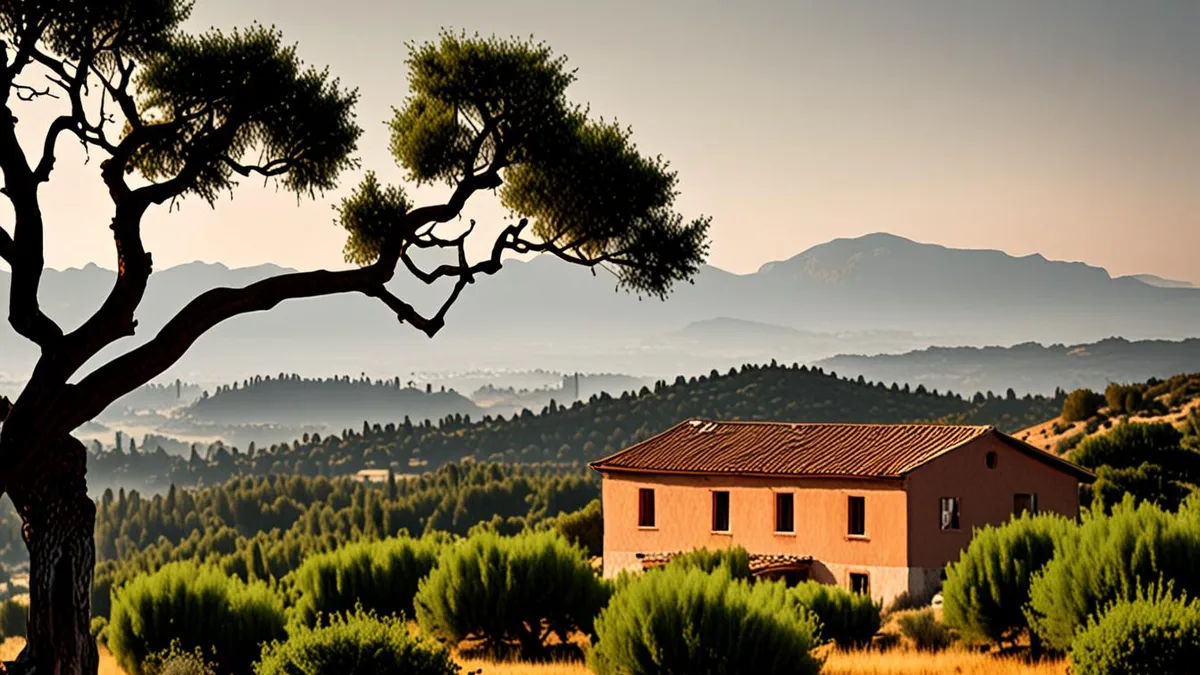
The Serra de Tramuntana stretches roughly 90 km along Mallorca’s northwest coast, and its stone villages are some of the most atmospheric places to stay on the island. Deià, Sóller, Valldemossa and Fornalutx each combine honey-colored houses, narrow lanes and terraced hillsides, with villas tucked between olive groves and mountain views. If you want to wake up to green peaks rather than a beach panorama, this is the region for you.
Who the Tramuntana suits best
This is the area for hikers, couples and travelers who prioritize scenery over sand. The network of old stone paths lets you walk between villages, and the olive terraces make the drives themselves part of the experience. There are beaches nearby, but they are smaller and often require a drive or a steep descent, so keen swimmers who want sand at their doorstep may prefer another region. If slow mornings, mountain dinners and dramatic views sound like your kind of trip, this region rewards you much like the places described in Tuscany villas for scenic vineyard roads.
Practical tips for renting here
Villas in the Tramuntana are often restored fincas, full of character but sometimes with smaller pools than purpose-built coastal properties. Check pool size and sun exposure if that matters to your group, since mountain valleys can hold shade longer than you expect. The roads are winding and frequently narrow, so rent a compact car rather than a large SUV; you will be glad of it on the bends around Deià or up toward Fornalutx. Prices are generally below the southwest peak, but the most photogenic village-edge fincas still book out early for summer weeks.
Alcúdia Bay and the Northeast
Alcúdia Bay is where most families end up, and it is easy to see why. The bay holds around 7 km of shallow sandy beach, so children can play in the water while parents keep an eye on them from a sun lounger. The water shelves gently, which makes a real difference if you are traveling with toddlers or less confident swimmers.
Pollença adds a second base option within the same region. Its old town has cobbled lanes, a weekly market and a long stone staircase up to a small hilltop chapel, all within a few minutes of your villa. Port de Pollença, a short drive away, offers a relaxed seafront promenade with restaurants that welcome sandy feet and strollers.
For scenery, Cape Formentor is the region’s trump card. A short drive from Pollença takes you up a winding road to dramatic cliffs and viewpoints over the turquoise water below. It makes a memorable half-day trip when you want a break from the beach.
- Villa layout: family-oriented properties here often come with fenced pools, games rooms and multiple bedrooms, which is why groups with children tend to book this region first.
- Bike friendly terrain: the flat roads around the bay make it one of the easiest areas on the island for family cycling, and many villas provide bikes or have rental shops nearby.
- Value in shoulder season: weeks in May, early June, September and early October often run €1,500-€3,000, well below what the same-size villa costs in the southwest.
- Evening entertainment: Alcúdia’s walled old town hosts markets and open-air events that give families something to do after dinner without a long drive.
The Southeast Coast Around Santanyí
The southeast coast around Santanyí feels like a different island from the resort-heavy bays up north. Santanyí itself is an attractive sandstone town with a twice-weekly market, good restaurants and a relaxed pace. Cala Figuera retains the look of a working fishing village, with boats moored between the rocky inlets of its narrow harbor.
The beaches here are the main draw: smaller sandy calas such as those around Mondragó sit inside a protected natural area, backed by pines rather than hotel towers. They are the kind of coves where you arrive early, park under the trees and walk a short path down to clear water. Expect roughly a 45-60 minute drive from Palma airport, which is manageable if you book a daytime arrival.
Who this region suits
This is the pick for travelers who want quieter fishing-village atmospheres and smaller sandy coves instead of long promenades and water parks. Couples and small groups who value privacy tend to be happiest here, especially outside the busiest weeks of late June to early September.
What the villa stock looks like
Do not expect large resort estates. The accommodation is mostly rural fincas set among almond and olive groves, plus modest coastal houses a short walk from the calas. Many are simple, characterful and privately owned, so read descriptions carefully for pool size, air conditioning and how far the nearest cove actually is on foot.
How to Book Mallorca Villas at the Right Time
Timing your booking matters as much as picking the right region. The best villas in the most sought-after towns can tighten up surprisingly early, and rates climb steadily as the calendar fills. Rather than guessing, work through a simple timeline that matches your travel month to a realistic booking window.
- Decide your travel month first. Peak season runs late June to early September, with July and August the busiest and hottest months. If you prefer warm sea and thinner crowds, aim instead for the quieter weeks just outside that stretch, when pricing also behaves very differently.
- Book peak-season villas 6-9 months ahead. This window gives you the widest choice of properties and the best chance of original rates. If you want a large villa for a group in July or August, treat this as a hard deadline rather than a suggestion.
- Book shoulder-season weeks 3-5 months ahead. For those milder weeks at either end of the summer, this lead time usually secures good value, and you can often negotiate with owners or agencies that still have gaps in their calendar.
- Check what the quoted rate includes. Ask specifically about pool heating, because spring and autumn stays often need it for the water to be comfortable. Also confirm whether linen, cleaning and any tourist tax are billed separately before you commit.
As a rough guide, expect weekly rates of around €1,200-€2,500 in the milder months and €3,000-€10,000+ at the height of summer, though figures vary by region and property size. Follow this timeline and you avoid the two classic mistakes: leaving a July booking until spring, when the choice is thin and prices are high, and overpaying for pool heating you assumed was included. A few pointed questions at booking time save both money and disappointment later.
Wrapping Up Your Mallorca Villa Choice
So which region should you book? Start with the style of holiday you actually want: the southwest for convenience, the Tramuntana for scenery, the northeast for families, and the southeast for quiet. Once you know that, match your travel month to the region, because peak-season prices vary sharply between areas and the same budget buys a very different villa in each corner of the island.
Timing is the other half of the decision. Book within the lead-time windows above and your Mallorca villa choice becomes straightforward: reserve early for peak season, and use the shoulder months for better value almost anywhere. If you have stayed in a Mallorca villa you loved, or you are still torn between two regions, leave a comment below or share this article with a travel companion.