Choosing where to stay in Porto is trickier than it looks. The city packs wildly different neighborhoods into a small space: the postcard riverside of Ribeira, the flat and orderly streets around Aliados, the laid-back café scene of Cedofeita, and the Atlantic beaches of Foz. Pick the wrong one for your trip style, and you could spend your evenings climbing steep hills or riding a bus back from the coast.
This guide breaks down each area so you can match it to your plans. We’ll look at Ribeira’s riverside charm, Aliados and Baixa as a central sightseeing base, Cedofeita and Bonfim for a local feel on longer stays, and Foz do Douro with Matosinhos for coastal escapes. You’ll also find practical advice on when to book and what to pay, plus a simple checklist for deciding which neighborhood fits your trip length, budget and energy for hills.
Ribeira: Riverside Charm for First Impressions
If your first visit to Porto is all about atmosphere, Ribeira is hard to beat. This is the neighborhood you’ve seen in photos: a tumble of pastel houses stacked above the Douro waterfront, with the Dom Luís I Bridge arching overhead. Step out of your guesthouse and you’re immediately at the river, with port wine cellars across the water in Vila Nova de Gaia and the old town’s alleys winding up behind you.
The trade-offs of the old town
Ribeira’s charm comes with a few caveats. The streets are narrow and hilly, so expect a workout if your luggage has wheels and your room is halfway up the slope. The riverside also draws big evening crowds, and the noise from bars and diners carries well into the night, especially from June to September. Light sleepers should pack earplugs or choose a room set back from the quay.
On price, mid-range rooms here typically cost €100-150 per night in shoulder season, a premium you pay for the location. That said, Ribeira suits short stays of 2-3 nights where sightseeing on foot is the priority. You’re already in the middle of the postcard, so you spend less time walking to the sights and more time enjoying them.
Aliados and Baixa: Central Base for Sightseeing
For many first-timers, Aliados and Baixa are the smartest compromise. The streets here are flat and grid-planned around Avenida dos Aliados, the grand avenue at the city’s heart. After a day of climbing Porto’s hills elsewhere, coming back to a neighborhood where you can walk without panting feels like a small luxury.
Sights within easy reach
Convenience is the real selling point. Most major sights, including São Bento station with its famous tilework and the Bolhão market, sit within a 2 km radius, so you can cover a lot of ground without relying on transport. Ribeira itself is a 10-15 minute walk away, close enough for riverside dinners but far enough that you escape the loudest evening crowds.
Aliados is also Porto’s transport hub. The metro line from the airport connects here, which makes arrival and departure refreshingly simple, and trains to the Douro Valley depart from nearby stations. If a day trip up the river is on your list, this is the easiest place to base yourself.
Overall, this is the best pick for first-timers who want a balance of convenience and calmer nights than Ribeira offers. You keep the central location and lose some of the noise, all while staying on flat ground.
Cedofeita and Bonfim: Local Feel for Longer Stays
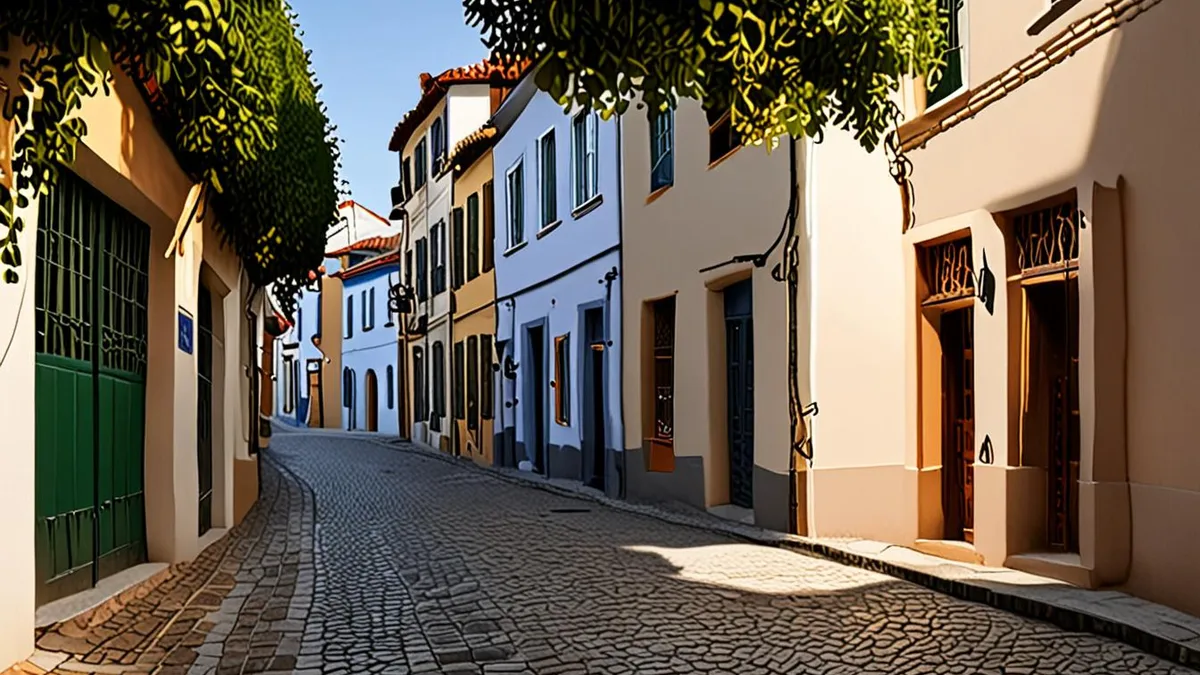
If you’re staying four nights or more, it’s worth looking beyond the postcard center. Cedofeita and Bonfim both offer a residential rhythm that the riverside neighborhoods can’t match, along with noticeably lower prices.
Cedofeita: cafés and creativity
Cedofeita sits a 15-20 minute walk west of the center and has become Porto’s creative quarter. You’ll find small galleries, indie shops and café terraces where locals linger over coffee, plus a growing cluster of restaurants that feel far from the tourist trail. It’s the kind of neighborhood where you develop a favorite corner café by day three.
Bonfim: the budget pick
Bonfim, just east of Baixa, has the best budget options in the city, with guesthouses from €50-70 per night. The streets are quiet and residential, and you can walk into Baixa in a matter of minutes. For travelers watching their spending on a longer trip, the savings add up fast.
One practical note: both areas sit slightly outside the core, so check metro or bus access before booking if you plan daily returns to the riverside. A room near a metro stop makes the commute effortless, while a spot on a quiet side street may mean a longer walk home after dinner by the Douro.
Foz do Douro and Matosinhos: Coastal Escapes
Foz do Douro is where Porto exhales. The Douro River finally meets the Atlantic here, and the atmosphere shifts from city sightseeing to sea air, boardwalks and golden light over the water. The area sits around 20-25 minutes from the center by bus or the vintage tram that trundles along the riverside, so you are connected but never in the middle of the action.
This is the pick for summer visits, especially if you like the idea of spending your mornings among Porto’s churches and tiled facades, then walking home to an afternoon on the sand. Beaches line the coast here, from small rocky coves to wider stretches further along, and the sunset over the ocean is a genuine reason to choose this area over the center.
Matosinhos, just next door
Keep walking north and you reach Matosinhos, a working port town that Porto locals treat as their seafood pantry. Grilled fish restaurants line the streets near the marina, and a long promenade connects the whole coastline, popular with cyclists and evening strollers. It feels more residential and less polished than Foz, which many travelers find refreshing.
The trade-off is distance. For a short first trip of two or three nights, Foz and Matosinhos are rarely the right base, because every evening ends with a bus or tram ride back into town. Save this area for trips of a week or more, or for a summer visit when beach time is a real priority rather than an afterthought.
When to Book and What to Pay in Porto
Porto’s popularity has grown fast, and the central neighborhoods sell out first in the warmer months. Timing your booking matters more here than in many European cities of similar size, and the difference between booking early and booking late can be substantial. A room with a view over the Douro or a steps-from-the-metro location can disappear months before arrival, while the same property may sit half empty in February.
- Count back from your travel dates. For any stay between May and September, aim to reserve your room 2-3 months ahead. Demand peaks in this window, and the best-positioned hotels in Ribeira, Aliados and Baixa fill their calendars early. Waiting until a month out usually means paying more for a less central room.
- Avoid the peak if your dates are flexible. July and August rates roughly double winter prices. If you can shift your trip to May-June or September, you get the same long, bright days at a noticeably lower cost, plus thinner crowds at the major sights.
- Relax the timeline in winter. Visits from November to February need only 4-6 weeks of lead time. Availability is generous, and last-minute deals are far more common, though weekends around holidays can still tighten up.
- Set your budget before you search. A nightly budget of €90-150 covers central mid-range rooms in shoulder season. Knowing that figure helps you spot when a property is overpriced for what it offers, or when a rate is genuinely good.
One last practical note: prices in Porto swing more by date than by neighborhood, so a well-located room booked early often beats a cheaper room booked late in a less convenient spot. Check current rates for your specific dates before committing, since they move with events and demand throughout the year. A quick comparison across a couple of booking platforms can also reveal meaningful differences for the same room type.
How to Choose Where to Stay in Porto
Choosing a base in Porto comes down to three questions: how long you are staying, how you feel about hills, and whether the beach matters to you. Answer those honestly and the right neighborhood usually picks itself.
Start with trip length. For a classic first visit, Ribeira or Aliados puts you in the heart of things, and the walk between the two takes only 10-15 minutes, so you can split the difference if you like. For a week or longer, Cedofeita or Bonfim gives you a residential rhythm, better prices and space to breathe between sightseeing days.
Hills deserve honest consideration. Ribeira is steep, with cobbled slopes climbing away from the river in every direction, and that charm comes at a cost if you have mobility concerns or heavy luggage. Aliados and Baixa sit on flat, grid-planned streets, making them the comfortable choice by a wide margin.
- If you arrive late or leave early, check the metro line. Aliados sits directly on the airport metro route, which saves a taxi fare and 20-plus minutes of uncertainty compared with neighborhoods that require a transfer or a bus.
- If you plan daily riverside returns, verify bus access from your area. Bonfim and Cedofeita are walkable to the center, but a bus or metro option makes evening returns from Ribeira much easier after a long day on your feet.
- If the beach is a priority, accept the commute. Foz only makes sense when ocean afternoons outweigh walkable sightseeing, since you will be riding into town for most evenings and dinners.
Match these factors against your dates and budget, and you will land in the right area without much agonizing. Porto is compact enough that no choice is fatal, but a little planning makes every day smoother.
Wrapping Up Your Porto Base
Choosing where to stay in Porto comes down to matching the neighborhood to your trip. Ribeira delivers riverside atmosphere right under the Dom Luís I Bridge, while Aliados gives you the easiest central base with flat streets and quick airport connections. Bonfim and Cedofeita suit budget travelers and longer stays, and Foz is the pick for anyone who wants beach time built into the day.
Once you have your area, timing does the rest: booking 2-3 months ahead for May-September stays secures the best rates, while winter trips need only a few weeks of lead time. Whichever base you pick, Porto’s compact center means you are never far from the sights. If this guide helped you plan your trip, leave a comment or share it with a fellow traveler.