Choosing where to stay in the Canary islands is trickier than it looks. Each island has its own personality, and even within a single island the resort areas can feel like completely different holidays. Pick a party strip when you wanted peace, or a quiet fishing village when the kids need a water park, and even a well-planned trip can fall flat.
This guide breaks the decision into clear steps. We start by helping you choose the right island, then walk through the main resort areas on Tenerife, Gran Canaria, Lanzarote and Fuerteventura. From there, we cover the best bases for families and for couples, when to book and when to go, and how to get around if you fancy island hopping. By the end, you should be able to match a specific resort area to the trip you actually want, rather than booking blind and hoping for the best.
How the Canary Islands Differ: Choosing Your Island First
The first big decision is not which hotel to book, but which island to base yourself on. The Canaries share spring-like weather year-round, with average temperatures of 18-26°C, yet the four main islands cater to noticeably different travel styles. Getting this step right matters more than any later choice about hotels or room categories.
Think about what your ideal day looks like. If it mixes a morning on the beach with an evening out, or combines coast with dramatic inland scenery, you will lean toward one island. If it is all about long stretches of sand and time on the water, another fits better. Here is a quick breakdown:
- Tenerife suits first-timers who want variety: proper beaches, the chance to drive up Mount Teide, and lively nightlife in the south, all on one island.
- Gran Canaria works for all-rounders, since you can split a stay between the city life of Las Palmas and the southern beach resorts without long transfers.
- Fuerteventura attracts beach purists and water-sports fans, drawn by long sandy shores and consistent wind that makes it a kitesurfing and windsurfing favorite.
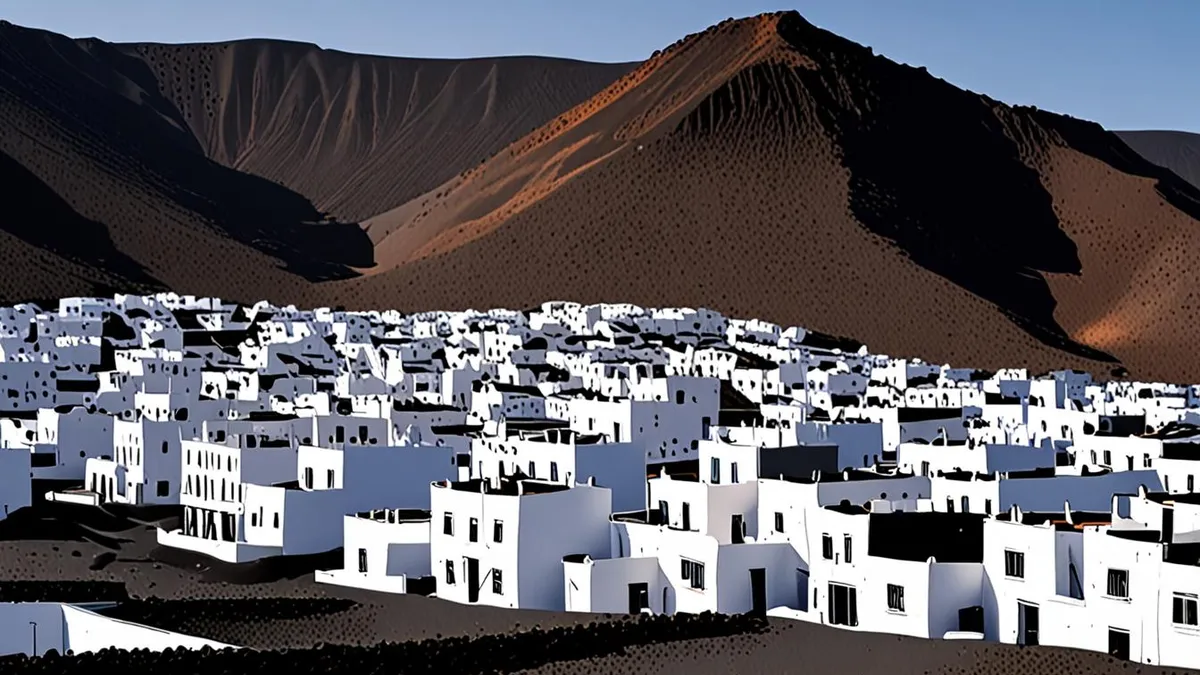
- Lanzarote appeals to travelers seeking volcanic scenery and a quieter, design-led vibe, with low whitewashed buildings shaped by the island’s strict aesthetic traditions.
- La Palma and La Gomera suit hikers who prefer nature over resort development, with marked trails, laurel forests and far fewer package-holiday crowds.
A common mistake is choosing an island for one single feature, then discovering the rest of the trip does not match. If you want a bit of everything, Tenerife or Gran Canaria are the safest starting points; if you have a clear passion, let that lead instead.
Where to Stay in the Canary Islands: Resort Areas by Island
Once you have picked an island, the resort area shapes your daily routine: how far you walk to the beach, how lively evenings get, how easy transfers are, and even what the weather feels like from one bay to the next. On Tenerife, most holidaymakers head for the sunny southwest, where Costa Adeje and Los Cristianos sit about 20-30 minutes from the airport, keeping arrival day simple. Puerto de la Cruz, in the greener north, offers a completely different, more traditional atmosphere, with lusher landscapes and a slower rhythm than the resort-heavy south.
Gran Canaria’s main resort stretch runs along the south coast, where Playa del Inglés and Maspalomas share a 20 km beach strip, so choosing between them is really about atmosphere rather than location. Lanzarote spreads its resorts around the island’s edges, each with its own character, while Fuerteventura’s two main bases sit at opposite ends of the island, meaning your choice affects how much driving you will do. Here is what each area is best for:
- Costa Adeje (Tenerife) is the pick for upscale beach holidays, with polished seafront hotels and a more refined dining scene than its neighbors.
- Los Cristianos (Tenerife) makes a balanced family base, combining a working harbor, a sandy town beach and easy access to nearby attractions.
- Puerto de la Cruz (Tenerife) suits travelers who want a greener, traditional north: older architecture, botanical gardens and a more local feel, though swimming conditions are rougher than in the south.
- Playa del Inglés (Gran Canaria) delivers nightlife and value, with a huge choice of apartments, bars and restaurants along the southern strip.
- Maspalomas (Gran Canaria) offers quieter, upscale stays next to the famous dunes, a short stroll from Playa del Inglés but noticeably calmer.
- Puerto del Carmen (Lanzarote) has the longest beach strip on the island, with restaurants and shops strung along the seafront promenade.
- Costa Teguise (Lanzarote) is the family favorite, with family-friendly beaches and resorts arranged around a single sheltered bay.
- Playa Blanca (Lanzarote) sits at the southern tip, known for calm water and a relaxed pace rather than big nightlife.
- Corralejo (Fuerteventura) combines dune-backed beaches in the north with ferry access to Lanzarote, handy if you plan a day trip.
- Caleta de Fuste (Fuerteventura) is a compact, purpose-built resort that packs everything into a small, walkable area.
If you cannot decide between two areas on the same island, check transfer times from the airport first, then compare the evening atmosphere: some resorts quiet down after dinner, while others stay lively well past midnight. A short arrival transfer makes a big difference on week-long trips, leaving you more time on the beach and less in a shuttle.
Best Areas for Families with Kids
Family favorites in Tenerife and Fuerteventura
For families with kids, Costa Adeje and Los Cristianos are hard to beat. Both have calm, shallow beaches where young children can paddle safely, and Tenerife’s big water parks sit within a short drive of either resort. Add in the 20-30 minute transfer from the airport, and arrival day with tired kids becomes far less painful.
Caleta de Fuste, on Fuerteventura’s east coast, was purpose-built as a family resort. Its sheltered bay means gentle water even on breezy days, and the compact layout means hotels, restaurants and the beach are all within a short walk. It is a good choice if you want everything on your doorstep rather than a long resort strip.
Gentle winds and predictable budgets
Costa Teguise, on Lanzarote’s east coast, is another strong family pick. The bay sits somewhat sheltered, so winds feel gentler than on exposed stretches of the island, and family-oriented hotels line a single bay, so you are never far from the sand. Lanzarote’s main resorts, including Puerto del Carmen, are known for family-friendly beaches, so you can compare the two areas before booking.
Budget-conscious families should look at all-inclusive options in the south of Gran Canaria. With a large concentration of resorts offering it, all-inclusive here makes costs predictable: meals, drinks and snacks are covered, so the only surprises are excursions and souvenirs. Playa del Inglés in particular has plenty of choices across different price levels, so compare what each package includes before committing.
Best Areas for Couples and Quiet Escapes
Couples who want a quieter base often skip the big southern strips entirely, and Puerto de la Cruz in northern Tenerife is a good example of why. The town has a more local, adult-oriented feel, with black-sand beaches, leafy plazas and evenings built around tapas bars rather than club queues. It suits travelers who like their beach holiday mixed with genuine town life.
Playa Blanca, at the southern tip of Lanzarote, works differently but hits a similar note. The water here is calm and clear, the evenings end with sunset views across to Fuerteventura, and there is little of the heavy nightlife you find in larger resorts. It is easy to spend a week here without ever feeling crowded.
Over on Fuerteventura, the south-west coast around Morro Jable stays noticeably quieter than the northern resorts around Corralejo. The beaches are long and open, and the pace is slower, which is exactly what many couples are after.
For something completely different, consider boutique stays in Lanzarote’s inland villages. These design-focused, low-key properties trade beachfront access for volcanic landscapes and privacy. If you enjoy this kind of characterful accommodation, our guide to local family stays in Europe covers similar small-scale options elsewhere.
When to Book and When to Go
Weather is rarely the deciding factor in the Canary Islands: average temperatures of 18-26°C mean the islands stay mild no matter when you go. What actually changes your trip is the crowd level and the price tag. Winter sun is the biggest draw, and from December to February the islands stay warm while much of mainland Europe shivers. That is why mid-December to early January, along with July and August, makes up the peak season.
For those peak dates, book 4-6 months ahead for the best choice and prices. Leaving it late in high season usually means picking over what is left, especially in the most popular resort areas.
The shoulder months
If your dates are flexible, aim for May-June or September-October. These shoulder months offer similar weather to the busier periods but often cost 20-30% less than peak. You also get quieter beaches and easier restaurant bookings, which changes the feel of a trip more than most people expect.
A note on Fuerteventura
Wind matters on one island in particular. Fuerteventura is the windiest island, favoured by kitesurfers and windsurfers, and its windy-season conditions peak in summer. That is ideal if you want to be on a board, but less so if calm swimming is the priority. If gentle water is your goal, consider a different island or a shoulder-month visit.
Getting Around and Island Hopping
Where you base yourself matters more in the Canaries than in most island destinations, simply because several islands are worth visiting. If you plan short stays or island hopping, base yourself near an airport. The southern parts of Tenerife and Gran Canaria both work well for this, since the main resort areas sit close to their airports and transfers stay short and simple.
That airport proximity makes arrival day remarkably painless. In Tenerife, the resort areas of Costa Adeje and Los Cristianos sit in the sunny southwest, close enough to the airport that you can land in the afternoon and still catch the sunset from a beach bar. Gran Canaria’s southern resorts are similarly convenient, so a late flight rarely feels like a wasted day.
Moving between islands
Inter-island flights between the main islands take 45-60 minutes, which makes a two-island trip entirely realistic without early-morning airport misery. Ferries are the alternative for closer pairs, such as Fuerteventura and Lanzarote, and the crossing doubles as a scenic trip in its own right. Check current schedules and book ahead in high season, since ferries can fill up quickly.
Do you need a car?
Renting a car is worthwhile in Fuerteventura and Lanzarote, where the sights are spread out and public transport between them is limited. In the compact southern resorts of Tenerife and Gran Canaria, you can often manage without one, especially if your plan is mostly beach time with the occasional excursion. A sensible compromise is to rent for just a few days rather than the whole stay, giving you freedom to explore inland villages and viewpoints while keeping your base walkable.
Wrapping Up: Matching Island and Resort Area to Your Trip
Choosing well comes down to two steps. First, pick the island that matches your travel style: Tenerife and Gran Canaria for variety, Fuerteventura for beaches, and Lanzarote for scenery. Then narrow it down to a resort area, because even a short drive can change the feel of your trip, from family-friendly bays like Costa Adeje to calmer corners like Playa Blanca.
Timing rounds it out. The shoulder months of May-June and September-October typically offer the best balance of price and weather, often 20-30% cheaper than peak dates. Match the island, the resort area and the season to what you actually want from your holiday, and the Canary Islands rarely disappoint. If this guide helped you plan, leave a comment or share it with a fellow traveler.